How Kinesitherapy Helps Recover:
Effective Movement Rehabilitation
 Automatic translate
Kinesiotherapy is a scientifically proven method of restoring health through measured physical exercise. This method allows patients to return to active life after injuries, surgeries, and chronic musculoskeletal conditions without the need for excessive medication.
For rehabilitation centers, understanding the benefits of kinesitherapy is key to creating in-demand recovery programs and increasing patient loyalty.
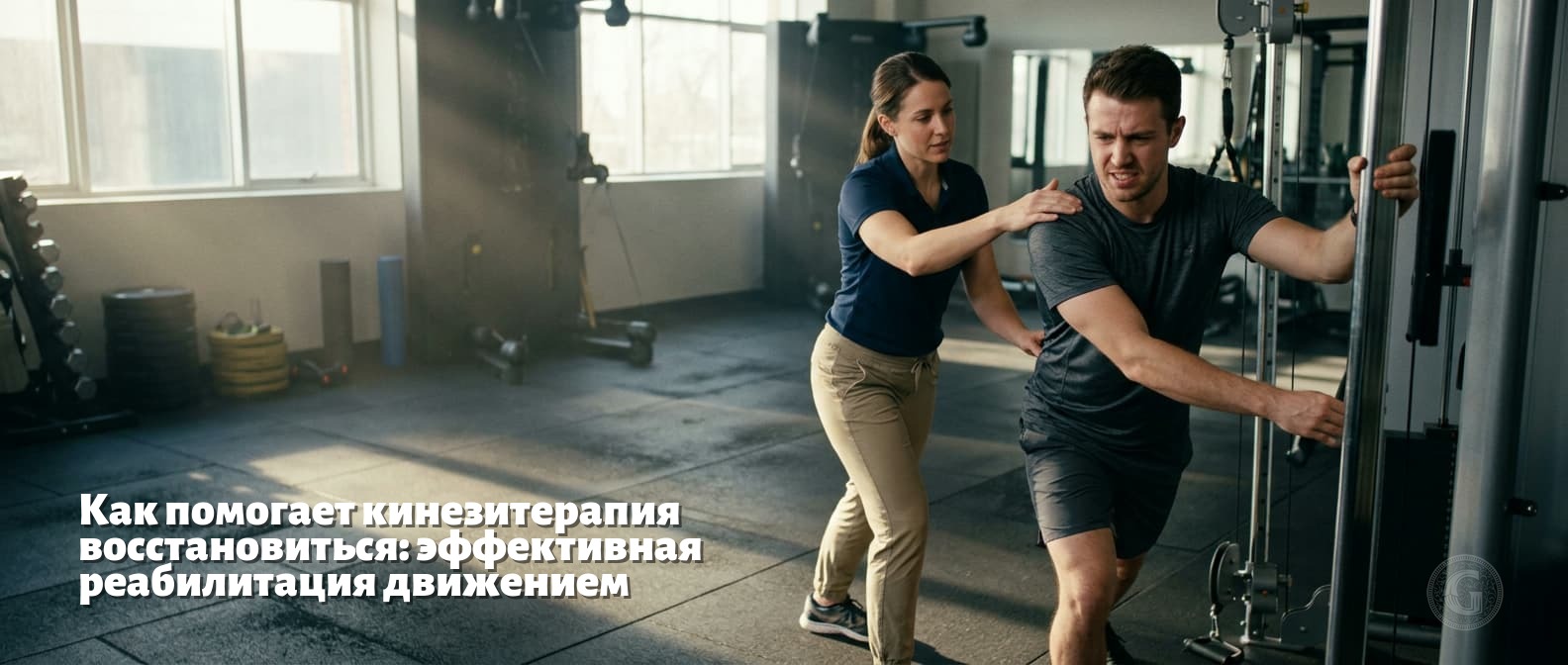
What is kinesitherapy and how does it work?
Kinesitherapy uses physical exercise as the primary therapeutic tool. The main goal is to develop correct movement patterns, which positively impacts muscles, joints, internal organs, and overall well-being.
This technique is particularly effective for spinal and joint disorders, as it restores functionality naturally by addressing the root cause — muscle imbalance and limited mobility. To enhance the effectiveness of the sessions, specialized kinesitherapy equipment is widely used , allowing for controlled loading and exercise technique.
Main directions
- Active – the patient performs exercises independently under the supervision of a specialist, rehabilitation after injuries, operations, prevention;
- Passive – movements are performed by a specialist or equipment, early postoperative period, neurological disorders.
Benefits of kinesitherapy in rehabilitation
- Safety : the absence of medication eliminates the risk of side effects and makes the technique accessible to patients of all ages.
- Reduced need for surgery : In some cases, regular exercise can help avoid or delay surgery, and, if necessary, speed up postoperative recovery.
- Effective pain relief : exercises activate natural pain-reducing mechanisms, improve blood circulation and relieve muscle spasms.
- Comprehensive health improvement : in addition to the musculoskeletal system, this technique improves sleep, reduces stress, normalizes blood pressure, and strengthens the immune system.
- Possibility of home exercises : with the right selection of exercises and the use of compact devices, such as a home kinesitherapy trainer, patients can continue rehabilitation outside the clinic.
Indications for use
Kinesiotherapy has proven effective in:
- Spinal diseases : osteochondrosis, hernias, protrusions, scoliosis, post-traumatic conditions.
- Joint pathologies : arthrosis, arthritis, rehabilitation after endoprosthetics and ligament ruptures.
- Neurological disorders : consequences of strokes, cerebral palsy, neuropathy - the technique restores coordination and neuromuscular connection.
- Post-COVID rehabilitation : restoration of respiratory function, muscle strength and endurance.
- Children’s rehabilitation : correction of posture, delayed motor development, taking into account age-related characteristics.
Important: The program is individually tailored based on the patient’s diagnosis, age, and goals. The initial phase is always supervised by a specialist.
Principles of successful rehabilitation
- Consistency : Regularity is the key to results. The load increases gradually.
- Individual approach : exercises are selected taking into account anatomy, pain threshold and concomitant diseases.
- Technique control : working with an instructor eliminates errors and forms correct motor habits.
- Equipment use : A professional kinesitherapy machine or a home kinesitherapy machine helps precisely dose the load, which is especially important during the initial stages of recovery. Many patients are looking to purchase a kinesitherapy machine or a kinesitherapy machine to organize regular exercise sessions.
- Complexity : maximum effect is achieved when combined with massage, physiotherapy and occupational therapy.
Choosing equipment: what to look for
When selecting exercise equipment, it’s important to consider several criteria. First, the kinesiotherapy equipment should be tailored to the patient’s diagnosis and rehabilitation goals. Second, the design should ensure safety and comfort — smooth load adjustment, ergonomic elements, and stability.
For home use, a compact kinesiotherapy device is ideal; it fits easily in an apartment and requires no complex assembly. However, it’s important that the device has quality certificates and is recommended by specialists. Before purchasing a kinesiotherapy device, it’s advisable to consult with a rehabilitation physician.
Professional kinesitherapy equipment used in clinics features advanced functionality, including electronic adjustment, passive mode, and integration with patient monitoring systems.
Kinesiotherapy is a philosophy of recovery through the body’s natural resources. For patients, it means a life free from painkiller dependence. For clinics, it means a modern, evidence-based service that meets industry standards.
Investments in specialist training and equipment selection pay off in increased program effectiveness, patient satisfaction, and the center’s reputation.
Ortorent is a Russian manufacturer of rehabilitation equipment since 2012. We help implement kinesitherapy: certified solutions, support at every stage, and compliance with Russian Ministry of Health regulations.