"Nothing by Chance" by Richard Bach, summary
 Automatic translate
This book is a documentary account by a former military pilot about the revival of the vagabond aviator trade of the 1920s. In the summer of 1966, the author embarked on a perilous aerial journey across the American Midwest in an old 1929 Detroit-Parks P-2A biplane, subsisting solely on the earnings from his three-dollar pleasure flights for food and fuel. Richard Bach wrote this work in the immediate aftermath of his flight and published it as a book in 1969.
Flight into the past
Three aviators took to the skies of Wisconsin in two rare machines. Richard piloted a red and yellow open-cockpit biplane, with a silent nineteen-year-old parachutist, Stuart MacPherson, sitting up front. A high-speed, all-metal Luscombe monoplane, piloted by photographer Paul Hansen, circled nearby. The boys had abandoned their navigation charts. Their money had run out. The pilots hoped to find mown meadows near small towns, offer rides, and recapture the spirit of the freewheeling life of interwar aviators.
The pilots made their first landing on a steep hill near the town of Rio, population 776. Gas station owner Al Sinclair greeted the guests warmly. Stewart immediately headed to the highway with signs that read "FLIGHT $3 FLIGHT." A demonstration fight swirled in the sky above a baseball game. The biplane released a thick plume of smoke from a smoke bomb attached to the stand, simulating a crash and fall. The stunt attracted spectators. A newlywed couple climbed into the front seat. Five minutes in the air eased their fear. That evening, McPherson performed a long-dive jump. The canopy opened just below the grass, leaving the pilot terrified. The townspeople were delighted, bringing the aviators their first six dollars in revenue.
The travelers spent the night on couches in Sinclair’s office. In the morning, Richard tried in vain to introduce young Stuart to the war songs of the 1940s.
The small café beckoned with the aroma of toasted bread. The local waitress, Mary Lou, captivated the pilot with her Wisconsin accent, complete with drawn-out vowels. A cheeky mouse ate the cheese from Richard’s bag.
Unfriendly Palmyra
A green town sprawled between two lakes. The Palmyra airfield greeted the newcomers with a row of neat hangars and the wary gazes of the local flying club’s directors. The townspeople were initially aloof. The club’s board held an evening meeting, asking the guests for licenses and insurance policies. Manager Joe Wright eventually allowed them to stay for the upcoming Sunday celebration.
The board members decided to count the cans of lubricant in the office before the pilots’ overnight stay. Insulted, Hansen flatly refused shelter. He was forced to sleep on the grass under the biplane’s wide lower wing.
The morning began with a damp fog. That afternoon, Stuart parachuted through gusty winds and flew into a dense thicket of tall, ripe rye. It took half an hour to rescue him. Soon, Richard entrusted Paul with the controls of his skittish biplane. Paul maintained speed perfectly. The landing was smooth. Suddenly, during the landing, the plane veered to the right. The wing struck the ground, twisting the landing gear, and the left landing gear broke with a dull crack.
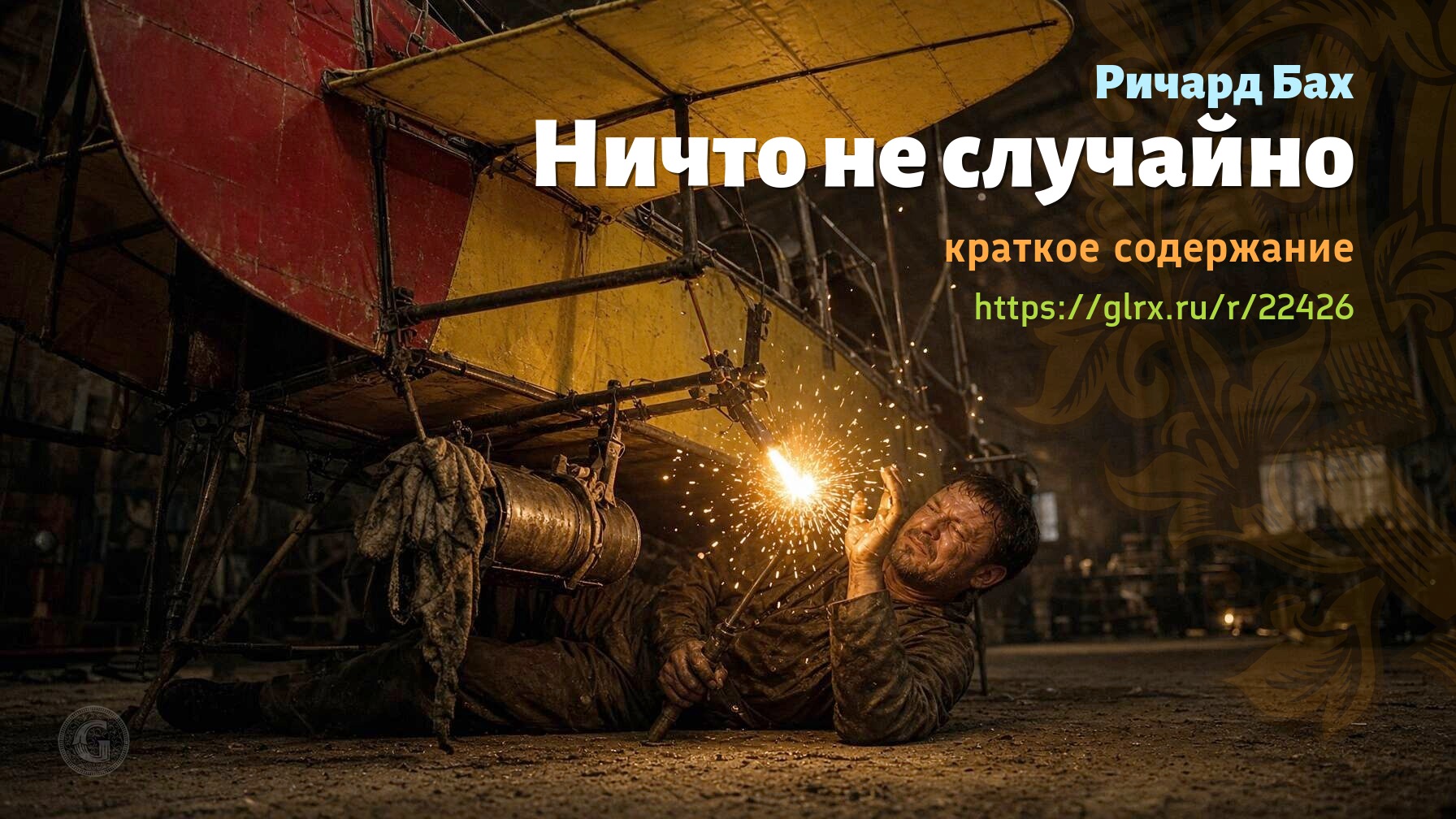
Local aviator Stan Gerlach took the injured into his personal hangar. The pilots fashioned a lifting frame from a pile of old pipes. A virtuoso mechanic, Johnny Colin, flew in from a neighboring state in a light plane to the rescue. At midnight, a gas burner hissed under the fuselage. Richard held wet rags near the full gas tank, protecting the tarred skin from flying hot sparks. By morning, the structure was welded together.
Sunday’s air show attracted thousands of spectators. The biplane and Luscombe worked nonstop. Over the course of the day, the trio lifted 130 passengers into the air, earning a hefty $390. A local woman nicknamed Duke decided to take a night flight over the lights of Palmyra at night.
Illinois River Mosquitoes and Grasslands
In the morning, Hansen flew off in a monoplane for personal filming. The biplane continued on alone. In Illinois, the mown fields near the town of Erie turned out to be surrounded by tall trees. An elderly farmer with a tractor allowed the pilots to spend the night on the mown grass, warning that the engine exhaust could ruin the hay. Billions of river mosquitoes drove the wanderers from the field into the nighttime village.
In Pecatonica, the aviators camped near a pig farm with a good-natured stallion named Skeeter. Paul soon returned. The friends engaged in a heated dogfight in the midday sky above the river. Emily, a girl, begged for a free ride for a long time, but the rules of the circus forbade concessions. Stuart mistakenly wiped the dusty cockpit windows with Richard’s only clean T-shirt. That evening, Hansen left the team for good, heading west ahead of an approaching thunderstorm.
The biplane headed towards Missouri.
Kahoka Lights
The town of Kahoka greeted the plane with a gang of urchins on bicycles. The boys set off firecrackers under the wings and asked about the details of the crash. To bring the kids to their senses, the pilot flew three meters above their heads and soared into the sky. The children collected three dollars for the aerial display. The adults followed suit. The centerpiece of each route was a gleaming water tower.
A farmer paid fifteen dollars for a nine-mile flight to his home. The man dropped a bag of candy into the yard, causing the children to run around in indescribable delight.
Dick Willetts unexpectedly flew in for a visit in a yellow Piper Cub. Richard headed to Keokuk, a concrete runway, to refuel. An inexperienced fuel handler applied full throttle while the propeller was being manually started. The empty biplane took off and raced toward a ditch. Bach leaped onto the wing while running, miraculously reaching the throttle at about 30 km/h.
That morning, at the café, the pilots used ant navigation. A live insect ran across the map, determining the next route through the fairgrounds to the Mississippi River.
In Monmouth, the crew was joined by passenger airliner captain Spencer Nelson, flying a magnificent Travel Air biplane. Spence allocated only two vacation days for the wanderings. Their joint flights to Kahoka brought in a record $157 in revenue. Soon, Nelson and Stewart flew to Nebraska. Richard was left alone in the empty skies.
Single route
The autumn chill crept up unnoticed. The pilot’s last eleven cents jingled in his pocket.
The landing site in Green City turned out to be a terrifying path on a steep ridge between white pillars. Local motorcyclists scraped together five dollars in change for the two of them to cover the flight. The proceeds bought the pilot a hot dinner at Marta’s Cafe and a night’s lodging by the reservoir.
The next day, near Milan, farmer Bill Cowgill offered his sloping pasture for planting. The cows scattered. Richard landed up the slope near Lou Juan’s Diner. Bill made notches on the runway with an axe, dreaming of building a city airfield. Fueled by gasoline, the biplane made twenty takeoffs. The wandering pilot’s trade had once again proven its viability.
Accident on the highway
A September flight to Iowa came to an abrupt end. At an altitude of 800 meters, the Wright Whirlwind’s engine emitted a thick cloud of white smoke, splattering his goggles with hot grease. The engine shook violently. Bach glided, ignition off, onto a sloping meadow near the village of Laurel. A bearing failure resulted in the destruction of the piston group.
The aviator disassembled the biplane. His friend Mike Cloyd and his wife Bette helped load the wings and red fuselage onto a long, wheeled trailer.
Highway 80 greeted the caravan with a whistling wind. At 40 mph, the heavy trailer suddenly swerved behind the pickup. The metal snapped. The trailer tore off the hitch along with a chunk of bumper, crossed the median, and rolled over with a crash onto the green grass. The biplane crashed onto its wheels, turning into a pile of torn canvas, shattered side members, and bent metal pipes.
In the darkness, an empty truck pulled up next to the wrecked car. The driver, Don Kite, turned out to be a professional pilot from Chicago. His truck had a suitable tow bar. The men towed the mangled wreckage onto a flatbed truck and, just after midnight, delivered the cargo to a hangar in Ottumwa.
It took two long years to restore the biplane. The designer painstakingly carved new ribs, stitched together percale fabric, glued wooden planks, and soldered the frame tubes. Friends from across the country donated rare parts, cables, and a spare engine. A clear day arrived when the refurbished propeller sliced through the air above the hangar doors. The machine soared into the sky above the Nebraska fields, confirming its unwavering commitment to its chosen path.
- Ричард Эстес: американский художник-фотореалист
- Ричард Аведон: модный фотограф
- Ричард Моррис Хант: архитектор стиля боз-ар
- Ричард Паркс Бонингтон: английский пейзажист
- Ричард Уилсон: английский пейзажист 18 века
- Ричард Серра: американский скульптор-минималист
- Ричард Бриджес Бичи, ирландский морской художник: биография, картины военно-морских кораблей
- Ричард Кингстон: ирландский художник-пейзажист
- Ричард Апджон: биография архитектора готического возрождения
You cannot comment Why?