"Stones of the Last Wall" by Chingiz Abdullaev, summary
 Automatic translate
This book is a thrilling detective story about the threat of uncovering a dormant spy network of the former East German intelligence service ten years after the fall of the Berlin Wall. The plot centers on the rivalry between global intelligence agencies over secret lists of "apostles" — twelve illegal agents from the East German Ministry of State Security who had been infiltrated into high-ranking positions in Western institutions. The book was written in 2000, when Germany celebrated the tenth anniversary of the reunification of its two formerly divided territories.
The novel is part of the popular spy series about the expert analyst Drongo. In this extensive series, the hero unravels complex international conundrums, taking place in the novels "Blue Angels," "Ashes of Hope," "Manhunt," and "An Almost Incredible Murder." The story of the search for the Berlin archives occupies a special place in the analyst’s biography, linking the aftermath of the collapse of the socialist bloc with the behind-the-scenes struggles of the intelligence agencies of the new century.
A blow to old connections
The danger arose suddenly. In Neuenhagen, a suburb of the German capital, retired police officer Dietrich Barlach contacted the CIA station, offering to sell classified Stasi files for fifty million US dollars. American diplomat Philippe Daneri urgently relayed the secret request to the leadership in Washington. After the failed assassination attempt on the liaison, Russian foreign intelligence generals realized the depth of their strategic miscalculation, which threatened the complete exposure of the spy network concealed in European countries and the inevitable diplomatic scandal of unprecedented proportions.
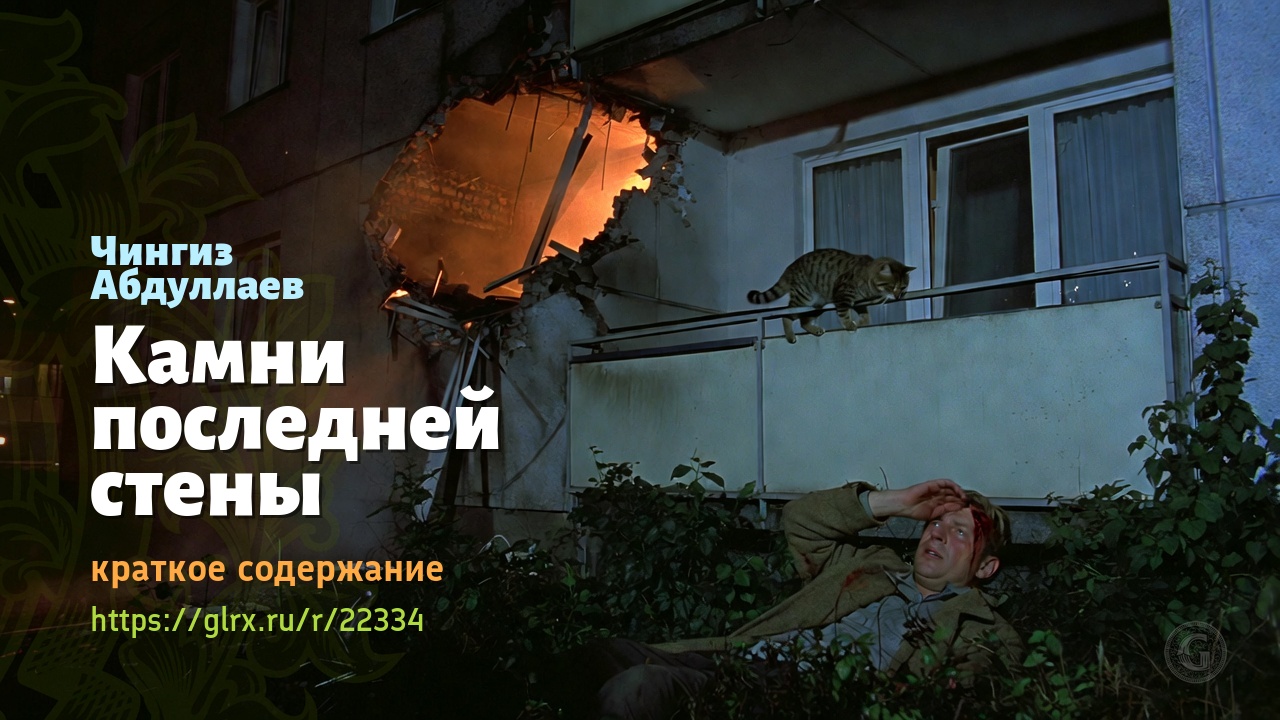
The explosion in Barlach’s building destroyed six apartments. The informant himself survived only thanks to a stray cat that suddenly jumped out onto the balcony a second before the detonator went off. The builders of the 1970s clearly skimped on cement. A flimsy reinforced concrete slab tore away from the wall, significantly cushioning the wounded retired policeman’s fall into the bushes outside.
Nigbur’s elimination was completely unnecessary. The car accident near Hamburg proved to be a fatal mistake by General Minulin’s task force, which failed to investigate the leak. The deceased veteran held no secrets. The classified archival materials were being prepared by Colonel Rudolf Heelich’s special group on the eve of the fall of the Berlin Wall. German counterintelligence immediately protested. Embassy staff were categorically forbidden from conducting any military operations on the territory of the reunified federal republic, and the surviving East German officers were placed under close surveillance. Only nine days remained until the appointed deadline. The leadership of the Foreign Intelligence Service assigned the search for the unknown traitor to independent expert Drongo, guaranteeing the analyst complete freedom of action, provided that the operational review was completed before the hour the Americans had set for the transfer of classified materials.
In the footsteps of a special group
In Moscow, Drongo met with Albert Shilkovsky. The former deputy head of a special unit moved with obvious difficulty, leaning on a heavy wooden cane with a metal tip. The room was rigged with covert eavesdropping equipment from the counterintelligence duty station. The lame veteran persistently described his fellow soldiers, trying to convince the analyst of the impeccable loyalty of each comrade-in-arms. Behind his outward calm lurked a deep hatred. A severe bullet wound to his spine confined him to a hospital bed for many years, completely dashing any hopes of a comfortable life in the newly reunified Germany. The detective’s ear unerringly detected the underlying falsehood. Together with foreign intelligence officers Larisa Shadrina and Andrei Konstantinovich, the expert urgently flew to Tel Aviv, hoping to interrogate the second surviving participant in the evacuation of the secret Stasi lists in 1989, Oliver Bützmann.
The conversation was interrupted by the sound of breaking glass. From the opposite side of the seaside street, a well-aimed rifle shot rang out, piercing a display case and seriously wounding the retired officer in the right lung. A cup of tea shattered. Falling to the tiled floor, the analyst narrowly escaped a fatal second bullet. The injured man was taken away by paramedics. Local investigator Menachem suspected the Berlin tourist Karsten Geisler, who had disappeared from the hotel. The Berlin fugitive was known as a first-class marksman. Israeli counterintelligence records listed the sudden arrival of the former East German spy, but a rapid search of the capital’s neighborhoods failed to prevent the local security officers from audaciously attacking the surviving witness to the events. Drongo hastily left the coast.
In Nuremberg, the analyst tracked down Gabriella Weissflog, a senior manager at a large city department store near the ancient city walls. The employee categorically dismissed the detective’s suspicions. On a long-ago assignment in Morocco, Oliver had saved Karsten’s life by promptly warning a comrade about a deadly booby trap in a safe house. Officer solidarity ruled out a treacherous shot. Hiding in a psychologist’s office, the agitated woman told the detective for the first time the name of the head of the archives department, Erich Damme. Her raincoat smelled of Fahrenheit. Beneath the outwardly comfortable family life lay a deep, aching pain over her ruined youth. The past demanded atonement. While fleeing from West German counterintelligence agents prowling the corridors, the guest left an expensive English raincoat on a coat rack, which his determined partner, Larisa Shadrina, bravely returned to its owner just before the group’s departure for Thuringia.
A trip to Suhl, East Germany, immediately turned into another bloody provocation by American operatives, who closely monitored the surviving veterans’ every move. At an intersection, Andrei was struck by a car. Severe injuries landed the Moscow coordinator in a hospital bed under the round-the-clock supervision of anxious diplomats from the Russian embassy. Without panic, Menart organized an escape. A forester he knew demonstratively took the foreign agents into the thicket, allowing the officer to safely hide in the guardhouse. Vodka flowed freely. In a log cabin in the forest, the old soldier furiously poured out his deep-seated grievances. The soldier suffered betrayal. To the clink of faceted glasses filled with squeezed lemon, the old veteran poured out his heartache about the disintegration of his former life, the arrests of his comrades, and the rift with his son, introducing his guest as the Berlin pimp Hugo.
Berlin interchange at the Brandenburg Gate
A false trail led the detectives to Dortmund. In an empty mansion on Kaiserstrasse, the Russians unexpectedly encountered armed Israeli intelligence officers searching for the hiding places of a fugitive colleague, Colonel Heelich. Geisler had long since perished. The urgent return to East Berlin was marked by the sudden murder of the pimp Hugo right in his smoke-filled office. A frantic chase unfolded across the rooftops. The criminal fired back furiously as he ran, trying to escape among the half-abandoned industrial buildings. The firing pin clicked dryly in the chamber. Cornered on a narrow ledge, the gunman cowardly took cover behind a random Arab teenager; a well-aimed bullet from Drongo’s picked-up Italian pistol knocked the crazed criminal to the asphalt, revealing the face of Colonel Erich Damme to the astonished detectives. The fall proved fatal.
Shilkovsky’s sudden escape from Moscow definitively confirmed the expert’s analysis of a secret conspiracy among the organizers of a long-running bloody provocation. Behind the apparent humility lurked insatiable greed. Ten years ago, the mortally wounded Heelich managed to shoot the traitor, disrupting the immediate transfer of the stolen archival diskettes to his partner. The priceless documents were kept by his cousin Emma. The pensioner carefully stored her brother’s belongings in a wooden cabinet on a quiet street near the forest lake Großer Müggelsee. The old woman was proud of the assignment. On a festive afternoon, the analyst politely took the treasured diskettes from his relative, presenting the naive owner with brand-new CDs of Elton John’s favorite pop songs in exchange. The finale unfolded that evening. In a fashionable restaurant, the detective presented Shilkovsky, who had arrived to collect the materials, with irrefutable evidence of the betrayal. The spy lost his mind. The distraught officer was taken away in an ambulance, the American deal fell apart completely without a shot being fired by the Soviet secret services, and the rescued lists of canned illegals were returned to the custody of General Osipov.
You cannot comment Why?