From saving the world to running a tavern:
How domestic fantasy changed the genre of romantic fiction
 Automatic translate
For decades, classic fantasy fiction revolved around grand conflicts: protagonists raised armies, sought out artifacts, and destroyed dark lords. But something changed in reader demands, and authors sensed it before critics did. Plots shifted toward creation — characters were now preoccupied with shaping their own lives rather than saving others. The destruction of the old order gave way to the painstaking construction of a new one, and it turned out that reading about this was no less captivating.
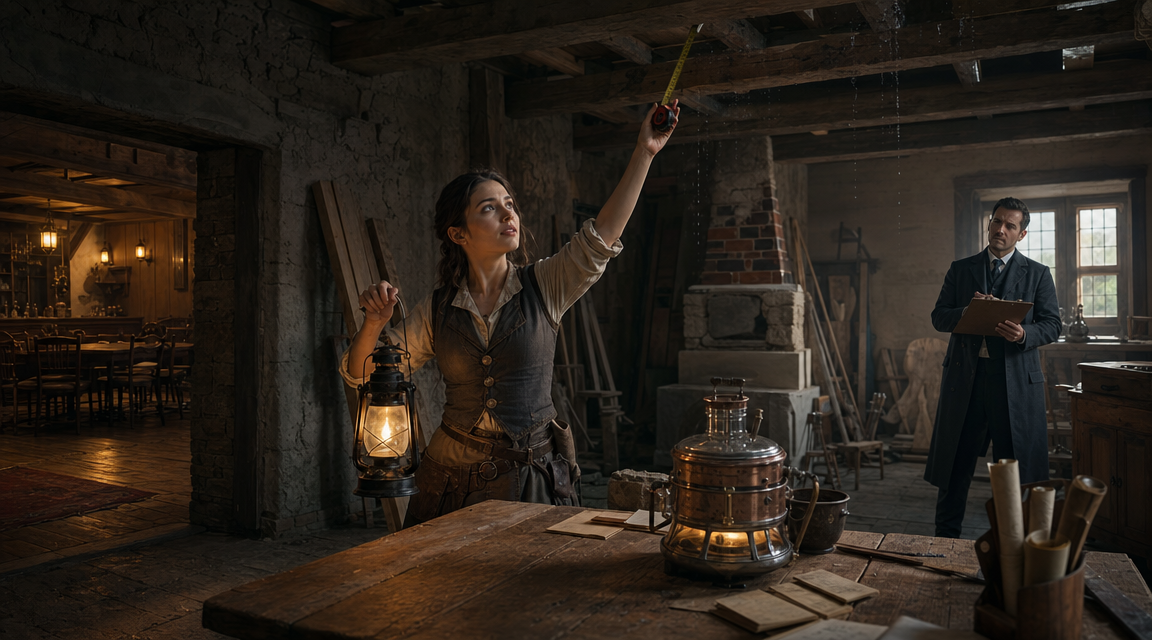
Instead of fighting, heroines open taverns or restore abandoned pharmacies. A young woman inherits a dilapidated estate of two hundred square meters and decides to transform these cold stone ruins into a profitable pastry shop. Concern over a leaky roof preoccupies her more than the king’s political intrigues, and the search for a good carpenter preoccupies her more than a battle with demons. This subgenre is called domestic fantasy, and its distinctive feature is that magic functions as a production tool. Studying ancient scrolls helps speed up the serving of dishes, spells replace food processors, and communication artifacts function as modern instant messengers.
Comfort and predictability as therapy
The immense popularity of such stories is explained by the audience’s demand for clear achievements with measurable results. Any regularly updated collection of romantic fantasy clearly demonstrates the mass shift of readers away from global conflicts toward constructive plots — people want to witness the gradual improvement of their lives, not the next apocalypse. A coffee shop’s monthly revenue growth is more understandable than an abstract victory over an abstract evil, and order emerging from chaos evokes a far more lasting emotional response than the final battle between good and evil.
"A young woman achieves a stable income — and this gives her confidence. The reader lives this experience with her, gaining something often lacking in real life: a sense of control over what’s happening."
The progressor effect also comes into play. Finding herself in a hypothetical Middle Ages, the heroine utilizes modern economic knowledge — her marketing experience helps her outcompete local merchants, and basic management principles give the young enterprise a competitive advantage. Earthly pragmatism overcomes the magical inertia of the natives simply because no one before her had thought of introducing a customer loyalty system.
Partnership instead of sudden passion
The change in theme naturally transforms the mechanics of the characters’ relationships — the traditional plot of rescuing a defenseless maiden simply doesn’t work here. The owner of a profitable chain of city taverns is capable of paying her own bills, and the male characters are forced to take this into account. The hero appears in the story as a strict magistrate’s inspector or the only reliable supplier of rare ingredients, and the interaction begins with tough business negotiations, not romantic declarations.
Romance slowly grows out of professional respect for the opponent’s business acumen. Mutual sarcastic banter gives way to constructive dialogue about cooperation; the stern inspector begins to see the real person behind the competitor’s mask, and the reader readily believes in this alliance — because it is built on equal footing. Dialogues in which the characters argue over the value of magical patents or the logistics of overnight deliveries make the characters’ connection psychologically more believable than any "look across the room."
Rules for building a reliable business
The success of a book depends directly on the internal logic of its fictional society. A wizarding economy must obey the laws of supply and demand: if the heroine sells healing potions, the reader must understand the precise cost of ingredients, the city’s tax system, and the charter of local guilds.
| Plot element | How it works in everyday fantasy |
|---|---|
| Conflict | Guild monopoly, bureaucracy, competitors |
| Progression | Revenue growth, staff expansion, building renovation |
| Romance | Business partnership mutual respect |
| Magic | Production tool, analog of technologies |
| Second plan | A team of employees, regular customers |
An overly easy start quickly destroys the plot, so the authors don’t spare the heroine. Neighbors send rats into the pantry, regulatory authorities demand bribes, and unscrupulous competitors spread gossip. Overcoming these obstacles replaces classic sword fights for the characters, and the intellectual confrontation with the monopolists demands from the tavern owner no less ingenuity than a battle with a dragon.
Engineering as a substitute for pure magic
A heroine from Earth rarely possesses a phenomenal supply of magical powers, and her acute lack of magic is compensated for by her unconventional engineering thinking. She constructs mechanical pumps powered by runes, automating the water supply to the tavern, and instead of manually casting heating spells, she installs a copper cauldron with a constant heating circuit — thus saving expensive magical energy.
Building codes require a safe distance of one and a half meters between fire runes — and it’s this restriction that forces characters to seek out unconventional solutions. A technical mindset is more valuable here than any innate talent.
The introduction of assembly-line production breaks with old artisan traditions. Local artisans initially openly resist standardization, considering this approach devoid of genuine charm, but the daily revenue speaks for itself. Harsh professional jargon naturally weaves into the narrative: the characters discuss the profitability of potion brewing and price gouging in the amulet market, and the dry terminology of auditors amusingly intermingles with spell formulas.
Minor characters as the basis for atmosphere
No enterprise can be sustained by a single person, and authors of fantasy fiction understand this perfectly. The main character gathers a team — a grumpy but talented orc chef, a resourceful halfling waitress, and a loyal magical familiar acting as a sardonic taster. This motley crew gradually becomes a surrogate family, and their hard work together smooths over racial prejudices far more effectively than any political declarations.
Regulars form a vibrant backdrop to the narrative: city guards stop by for herbal tea at dawn, and elderly gossips occupy a corner table. Through their conversations, the author conveys insights into the fabric of society — without tedious historical references or lengthy digressions. The tavern hall accumulates rumors from across the kingdom, turning the establishment into a hub for the plot.
Promoting services without traditional technologies
The lack of internet forces the heroine to reinvent marketing. Optical illusions replace illuminated signs, town criers spread information about discounts, and free baked goods in the market square quickly build a loyal customer base. The heroine artificially creates excitement by strictly limiting the daily release of the most popular desserts — and wealthy citizens eagerly stand in morning lines for the rare delicacy.
A successful strategy arouses the envy of competitors, who immediately begin copying the solution and producing cheap knockoffs of brand-name potions. The heroine is forced to protect her recipes with protective weaves and non-disclosure agreements, and the battle for her reputation becomes a daily chore — no less grueling than her nightly forays into rare ingredients.
Construction as a plot driver
The renovation of an old building often becomes a standalone storyline. The heroine draws floor plans, accounting for the deterioration of the supporting structures, negotiates with the builders’ guild about laying sewer pipes, and agonizingly chooses between expensive oak and cheap pine, which shrinks under the influence of heat magic. Technical authenticity lends the fantasy world the necessary weight — the reader believes in this world not because it contains dragons, but because it has fire safety regulations.
The kitchen layout adheres to strict ergonomics: the heroine measures every centimeter of space to ensure the cooks don’t collide during the evening rush; a well-designed work triangle doubles the speed of serving dishes. The tavern’s interior gradually reflects the owner’s personality — not because the author says so, but because every decision about a partition or plaster color was made in specific circumstances, under time and budget pressure.
- Почему книжные серии читают дольше одиночных романов
- Beyond The Lord of the Rings: A Guide to Fantasy Subgenres Worth Watching
- Cities of Russia through the eyes of a neural network
- Anna Osipova. Middle world
- Yaroslav Gerzhedovich. Delightful details 6+
- A gray hallway without dirt and glare: how to choose a shade and format for your lighting
You cannot comment Why?