Light, reflections, and the theater of images:
why Venice remains a leading city of visual art
 Automatic translate
Venice has inspired artists and photographers for centuries with its light, reflections, and theatrical atmosphere. Why has the city on the water become a symbol of visual art, and how does contemporary photography continue the traditions of the old masters?
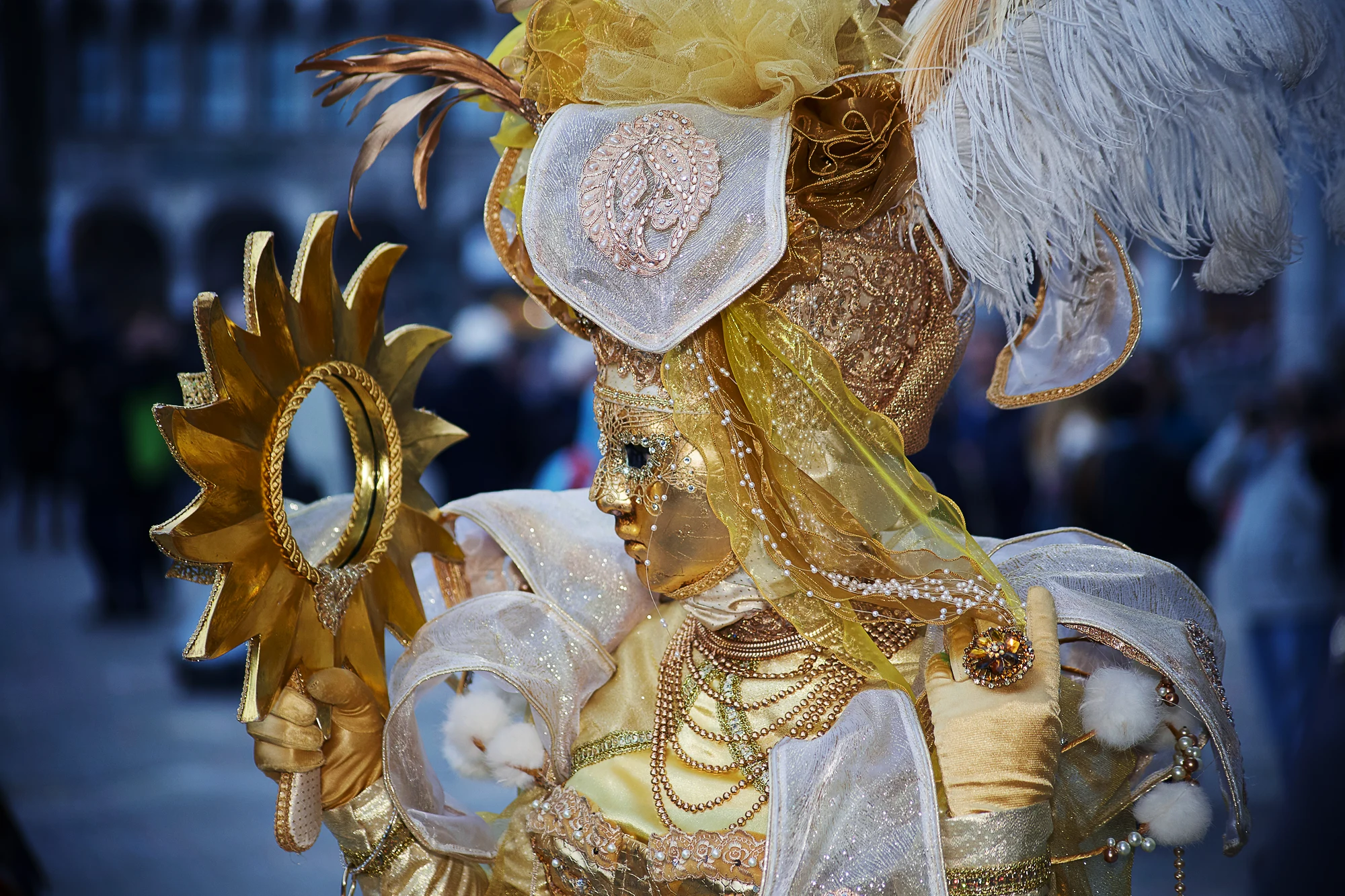
Venice cannot be perceived as a typical city. It doesn’t obey the usual spatial logic, doesn’t exist within the rhythm of modern megacities, and almost never reveals itself immediately. Venice demands a slow gaze — the same way Renaissance artists observed the play of light on fabric, the reflection of clouds in the water of a lagoon, or the damp sheen of old stone after rain.
For centuries, painters, architects, poets, and musicians have flocked here. Some sought inspiration, others a unique atmosphere, and still others attempted to decipher the very phenomenon of a city that seemed to exist between reality and theatrical stage set. Venice has always been more than just a cultural center. It has become an artistic icon in its own right, a visual myth that has shaped an entire movement in European art.
Even today, in the age of digital photography and social media, Venice remains a unique visual environment. Artists, directors, and professional photographers continue to work here, striving to capture the state of light and space that inspired masters of the past for centuries. And it is precisely this remarkable combination of history, architecture, water, and atmosphere that explains why Venice remains one of the world’s premier art cities.
2 The city as a theatrical stage
3 Water as the city’s main artist
4 Photography as a continuation of the painting tradition
5 Why Venice continues to inspire artists
6 Venice as a living museum of light
The Venetian School and the Art of Light
When discussing Italian Renaissance painting, people most often think of Florence or Rome. However, it was Venice that created its own artistic language, radically different from the strict compositional style of central Italy. While Florentine masters constructed form through drawing and anatomy, Venetian artists worked primarily through color, air, and light.
Titian, Giorgione, Veronese, Tintoretto — all shaped a unique painting tradition in which space seemed to dissolve in radiance. Venetian paintings rarely appear static. They always contain movement: the shimmer of water, the sheen of silk, reflections on marble, the damp sea air.
The reason for this approach was not only artistic but also geographical. Venice is a city where light behaves differently. The water of the lagoon acts as a giant mirror, reflecting the sun’s rays from below and creating a soft, diffused light. The stone facades do not appear flat even on overcast days. Morning fog deepens the perspective, and sunset paints the city in golden-copper hues, reminiscent of an old oil painting.
This is why many art scholars call Venice "the city of color." Here, it is impossible to completely separate architecture from atmosphere. Light becomes part of the composition, and the space is alive and fluid.
This characteristic remains today. Venice’s contemporary visual culture continues to be built around the interplay of light, water, and reflections. Essentially, photographers working in the city continue the same artistic tradition shaped by the masters of the Venetian school several centuries ago.
The city as a theatrical stage
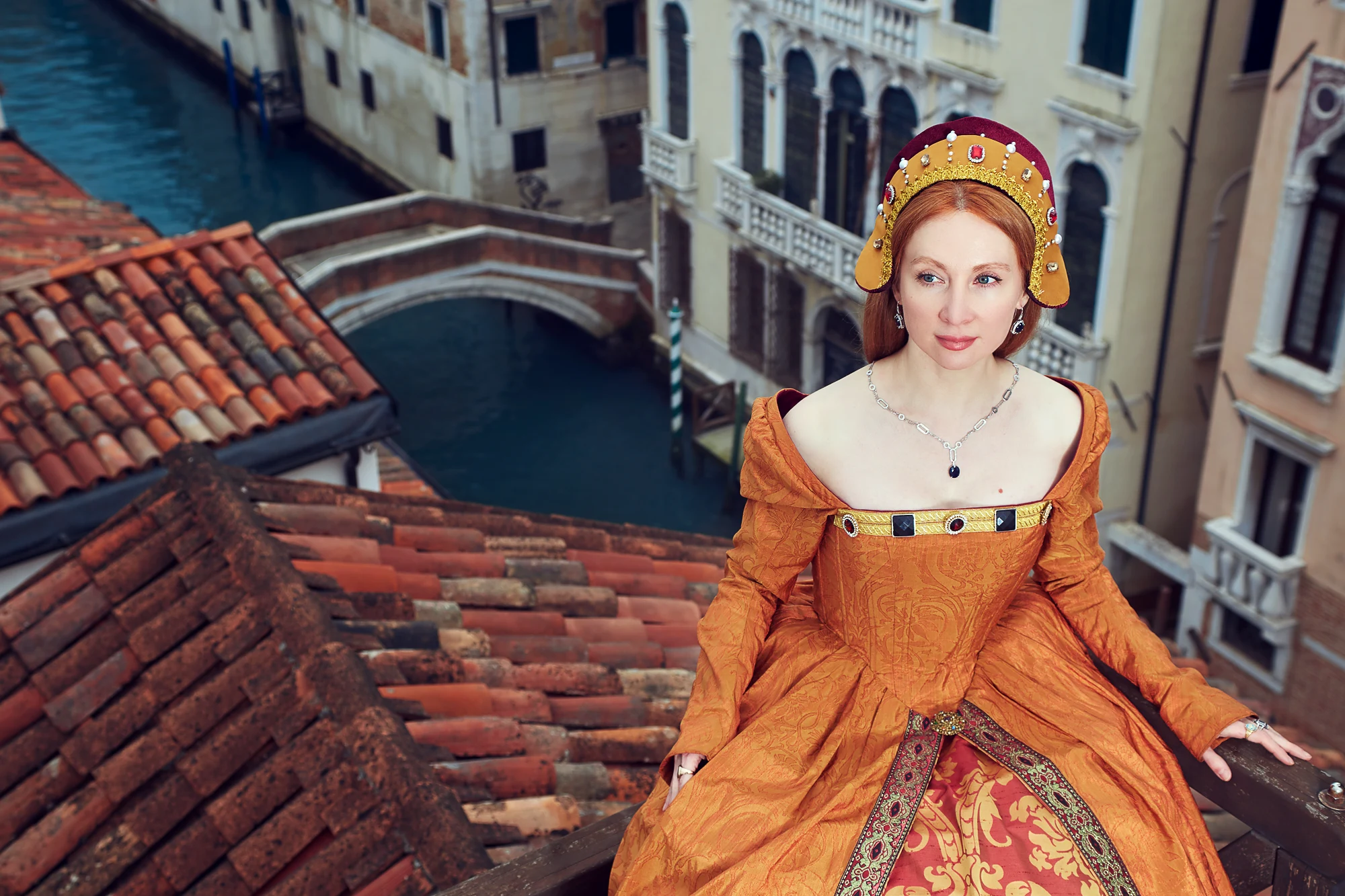
One of Venice’s defining characteristics has always been its theatricality. The city seems designed not only for living, but also for performance. Narrow passages suddenly open onto wide plazas, dark canals give way to sunlit façades, and every bridge becomes a natural viewing platform.
This theatricality is especially noticeable during the Venice Carnival. Historically, the carnival was not simply a festival of masks, but a complex cultural phenomenon associated with the idea of transformation and the blurring of social boundaries. The mask allowed people to transcend their roles and become part of a grand urban spectacle.
This is precisely why the carnival so often attracted artists and writers. It created a rare sense of timelessness. In 18th-century Venice, an aristocrat, an actor, a diplomat, and an ordinary citizen could all be found side by side — all becoming part of a single visual composition.
Even today, the carnival retains this special atmosphere. The morning mist over the lagoon, the figures in historical costumes in St. Mark’s Square, the reflections of lanterns in the water — all create the feeling of a living painting. Many scenes during the carnival are reminiscent of the paintings of Canaletto or Francesco Guardi, only transported to the present day.
It’s a near-perfect environment for visual art. Venice requires no artificial scenery: the city itself is a ready-made artistic space. That’s why film, fashion, photography, and contemporary art thrive here.
Water as the city’s main artist
Almost no other European city relies on water as much as Venice. Here, water doesn’t just surround the architecture — it shapes the perception of space.
The typical urban landscape is built on stability: streets, squares, buildings. In Venice, everything is different. Reflections constantly change the city’s appearance. The same façade appears as two different objects in the morning and evening. Canals transform the architecture into a moving composition, and soft waves break up the geometric rigidity of the stone.
It is precisely this mutability that has fascinated artists for centuries. Venice cannot be definitively "captured." It constantly changes depending on the season, weather, humidity, and time of day.
The early morning light is particularly captivating. While the city is still empty, the lagoon acts as a huge reflector, creating a soft, diffused light without harsh shadows. At this moment, Venice becomes almost monochrome: the colors are muted, the contours soften, and the space acquires a picturesque depth.
It’s no coincidence that many artists preferred to work at this time. The fog and humid air created an atmospheric perspective effect, which the Impressionists later actively exploited.
Modern photography largely follows this principle. Today, a professional photographer in Venice works not only with the architecture or the person in the frame, but also with the state of the city itself. Light here becomes an artistic tool in its own right.
Photography as a continuation of the painting tradition
Despite technological advances, Venice remains difficult to capture quickly. The city resists superficial observation. Tourist photography often captures only recognizable symbols — gondolas, bridges, Piazza San Marco. However, Venice’s true visual depth is revealed in entirely different details: in the morning light on an empty canal, in the reflection of a mask in the window of an old workshop, in the texture of a weathered wall next to the water.
That’s why fine art photography in Venice has always been closely linked to observation. A good shot here rarely happens by chance. It requires an understanding of the city’s space, light, and atmosphere.
Contemporary artists working in Venice largely continue the traditions of painting. They employ the same compositional principles as the old masters: multi-layered space, interplay of light, a complex color palette, and the interaction of man with the architectural environment.
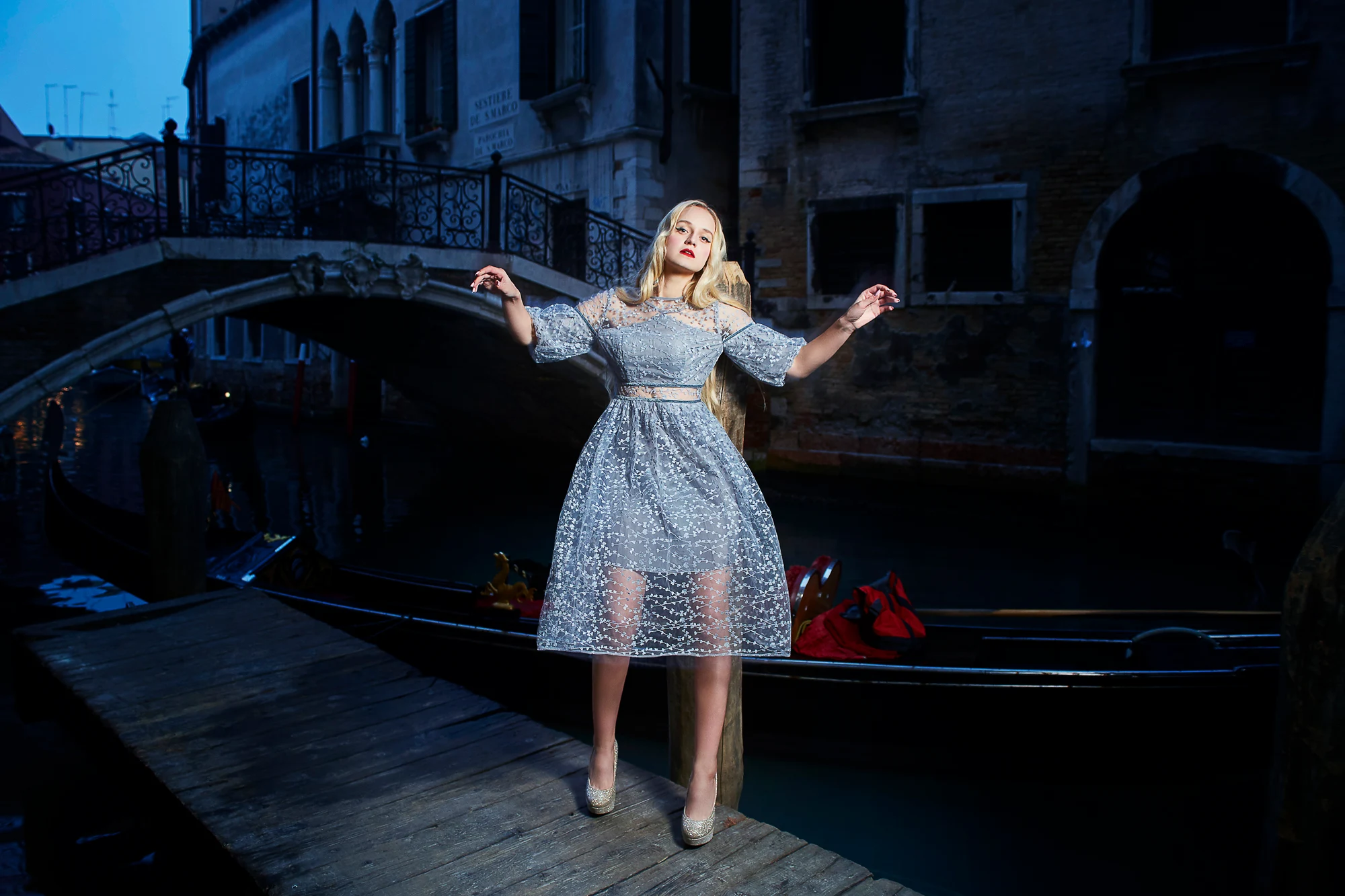
This is especially noticeable in portrait photography. Venice has virtually no tolerance for aggressive visual presentation. The city demands a softer, more cinematic approach. Even modern fashion shoots here often look like scenes from a historical film or a theatrical production.
Many professional photographers in Venice consciously embrace this heritage. They avoid excessive digital processing, striving to preserve the city’s natural atmosphere: the humid air, soft contrast, and complex tones of water and stone. This approach makes images more vibrant and closer to the traditions of classical art.
One contemporary artist working with the visual aesthetics of Venice is professional Venice photographer Antonio Jarosso , whose work centers on human interaction with the city’s architectural and light environment. In such projects, Venice emerges not as a tourist attraction but as a fully-fledged artistic character, influencing the mood and drama of the shot.
Why Venice continues to inspire artists
Many historic cities eventually become open-air museums. They preserve the architecture of the past but lose their vibrant artistic scene. Venice is experiencing the opposite. Despite the enormous tourist influx, the city remains a space for visual exploration.
The reason for this lies in the very nature of Venice. It never appears complete or static. The city constantly changes with light, weather, and water. It’s impossible to see exactly the same landscape twice.
Moreover, Venice strikingly combines historical depth and contemporary visual culture. Ancient churches, contemporary art biennales, arthouse cinema, fashion shoots, and documentary photography coexist harmoniously here. The city doesn’t remain frozen in the past, but continues to create new artistic meanings.
The sense of time plays a special role. In Venice, time flows differently. The absence of traffic, the sound of water instead of city noise, narrow passages, and a slow pace of life create an almost cinematic perception of space. This state is especially important for artists and photographers, as it allows them to perceive details differently.
Many contemporary visual projects related to Venice are built around the idea of slow-motion observation. In an age of endless digital content, the city is becoming a rare place where an image still demands careful observation.
Venice as a living museum of light
Over the past centuries, Venice has experienced many historical eras, political upheavals, and cultural transformations. But one characteristic has remained constant: its ability to transform space into art.
This city cannot be perceived purely rationally. Venice appeals primarily emotionally and visually. This is why it continues to inspire artists, directors, writers, and photographers from all over the world.
Venice doesn’t simply preserve the memory of the great art of the past. It continues to create the conditions for the emergence of a new visual language. Light, water, reflections, fog, architecture, and human forms continue to shape a unique artistic environment here, unparalleled in Europe.
Perhaps this is why Venice remains one of the few cities where contemporary photography still feels a direct connection to classical painting. And as long as artists continue to search for new meanings in the lagoon’s reflections, Venice will maintain its status as a leading city of visual art.
- Museums of the world - a large archive of museum collections of paintings
- Amazing Cities in the World - Venice
- The most important art schools of the Renaissance
- A summary of "The Art of Light Touch" by Victor Pelevin
- The Princes Baryatinsky: Art for Their Heirs
- "Art in Demand: The Greatest Masterpiece Thefts" by Fabio Isman, summary
- How Documentary Film Changed the Perception of Contemporary Art