Nail brace placement:
steps, sensations, and care in the first days
 Automatic translate
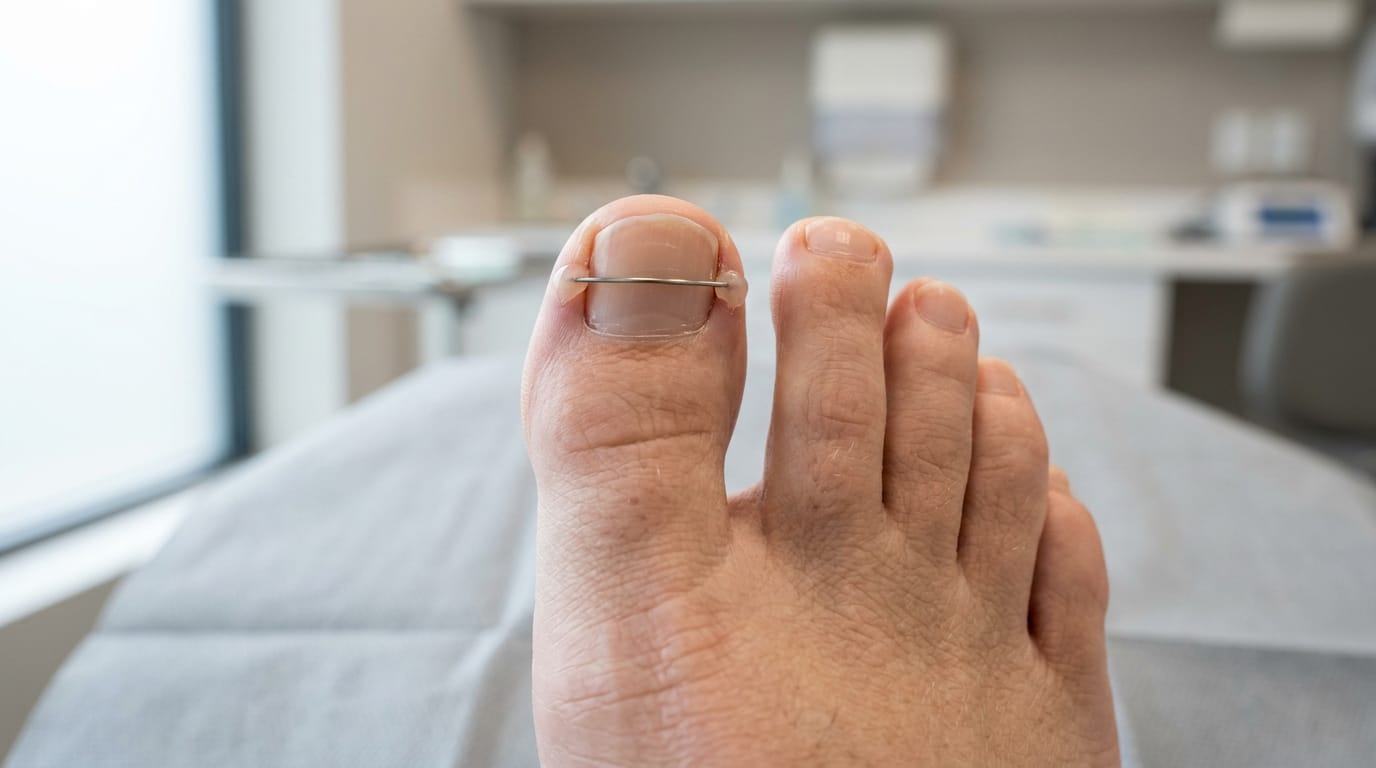
Nail brace placement: the procedure steps, sensations, and care during the first few days — a topic that concerns those who have experienced an ingrown toenail or persistent pain. In this article, we explain in simple terms how the procedure works, what you’ll feel during and after the procedure, and how to properly care for your nail to avoid complications and quickly return to comfort.
Images of a medical nature may contain unexpected or shocking content.
Images courtesy of podologiya.clinic
2 Types of braces and nail correction techniques
3 What is the procedure for installing a bracket?
4 Sensations during and after the procedure
5 Nail care in the first days after installation
6 What is important to remember after the procedure
What is a nail brace and when is it used?
A nail brace is a medical device that is attached to the nail plate and gradually corrects its shape, reducing pressure on the surrounding tissue. This method is considered a conservative treatment and is widely used in podiatry as an alternative to surgery.
The brace works by applying gentle, controlled tension: it lifts the edges of the nail, helping it grow in the correct direction. This is especially important for conditions associated with pain, inflammation, and irregular nail shapes.
- Orthonyxia
- A method of correcting the shape of the nail using special staples or plates without removing the nail.
The method is used in various clinical situations and is selected individually, taking into account the condition of the nail and the skin around it.
- Ingrown toenail (onychocryptosis), including recurrent forms.
- Deformation of the nail plate after injury or prolonged pressure from shoes.
- Chronic discomfort or pain when walking.
- Prevention of re-ingrowth after treatment.
According to podiatry experts, corrective braces can avoid surgery in most uncomplicated cases of ingrown toenails.
The use of a brace is especially important for patients who want to maintain their normal lifestyle without a long recovery period, as the procedure is performed on an outpatient basis and does not require nail removal.
Main indications: ingrown toenail, deformity, chronic pain
Nail brace placement is recommended in situations where the shape of the nail plate causes pain, inflammation, or the risk of complications. This method is used both for existing problems and in the early stages to prevent worsening of the condition and avoid surgical intervention.
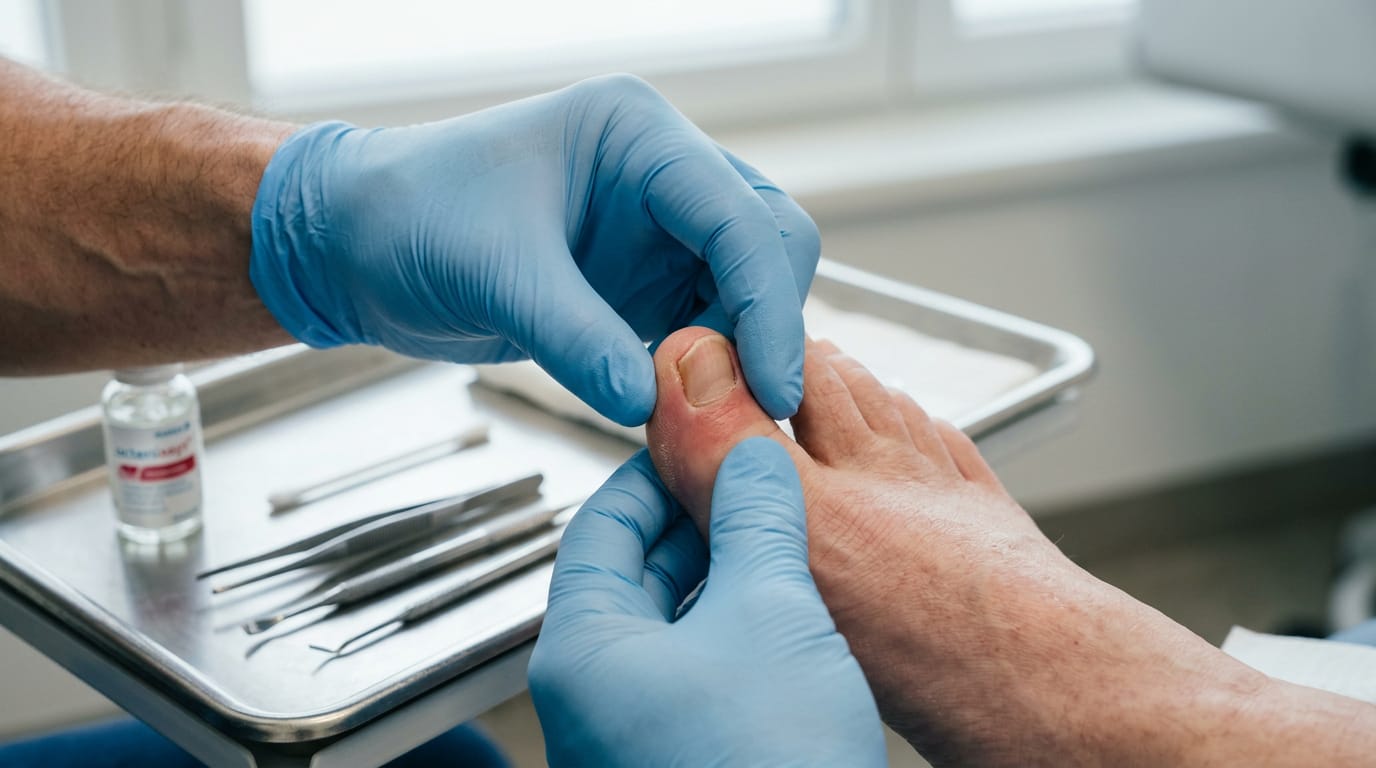
The most common indication is an ingrown toenail (onychocryptosis) , in which the edge of the nail injures the skin, causing redness, swelling, and pain. Without prompt treatment, the condition can progress to inflammation with discharge and limited walking.
Braces are also used when the shape of the nail changes, when it begins to curl or deform under the influence of external factors.
- Deformation of the nail plate after injury, wearing tight shoes or due to anatomical features.
- Chronic pain in the nail area, which intensifies with stress or pressure.
- Recurring episodes of ingrowth even after self-treatment or medical treatment.
- Onychocryptosis
- A pathological condition in which the nail grows into the lateral fold, causing inflammation and pain.
According to podiatry observations, up to 70% of patients with ingrown toenails seek help at the stage of severe discomfort, when simple care measures are ineffective.
Timely use of a brace helps reduce pressure on the tissue , eliminate the source of pain and direct nail growth into a physiologically correct position.
Contraindications and restrictions before installation
Nail brace placement is considered a safe procedure, but before proceeding, it’s important to rule out conditions that could render the correction ineffective or lead to complications. The decision is made by a specialist after examining and assessing the condition of the nail and surrounding tissue.
The main contraindications include acute inflammatory processes and infections requiring prior treatment. In such cases, the cause of the inflammation is first addressed, and only then is the possibility of brace placement considered.
- Purulent inflammation in the area of the nail fold.
- Fungal nail infections in the active stage.
- Severe deformation or destruction of the nail plate.
- Allergic reactions to staple materials.
There are also relative restrictions under which the procedure is possible, but requires special control.
- Diabetes mellitus (especially with reduced sensitivity of the feet).
- Circulatory disorders in the lower extremities.
- Thin or brittle nail plate.
- Relative contraindications
- Conditions in which the procedure is acceptable, but requires an individual approach and increased specialist supervision.
Podiatry specialists note that with proper assessment of the patient’s condition and adherence to the installation technique, the risk of complications remains minimal.
Before the procedure, it is important to inform the doctor about all chronic diseases and medications taken to ensure safe and effective correction .
Types of braces and nail correction techniques
Nail correction braces vary in design, material, and fixation method. The choice of a specific technique depends on the nail shape, the degree of deformity, and the patient’s sensitivity, and is therefore selected individually by a specialist .
Modern podiatry uses several types of systems, each of which has its own characteristics and indications.
- Wire staples are made of medical steel, are fixed to the edges of the nail and are adjustable in tension.
- Plate (composite) systems are thin plates that are glued to the surface of the nail and gently smooth out its shape.
- Combination staples - combine wire and adhesive elements for more precise application.
Wire structures are more often used for severe deformation, while plate structures are suitable for more delicate correction and increased sensitivity.
- Wire
- Features: Adjustable tension, high strength
- When to use : Severe ingrowth, dense nail
- Plate-shaped
- Features : Invisible, soft impact
- When to use : Initial stages, thin nail
- Combined
- Features : Fine-tuning, versatility
- When applied : Complex cases of deformation
- Orthonyxia
- A set of techniques for correcting the shape of the nail using staples and plates without surgical intervention.
According to clinical observations, a properly selected correction system significantly reduces pain in the first weeks after installation.
The correction method is always selected taking into account individual characteristics, which allows for achieving lasting results and reducing the risk of re-ingrowth.
What is the procedure for installing a bracket?
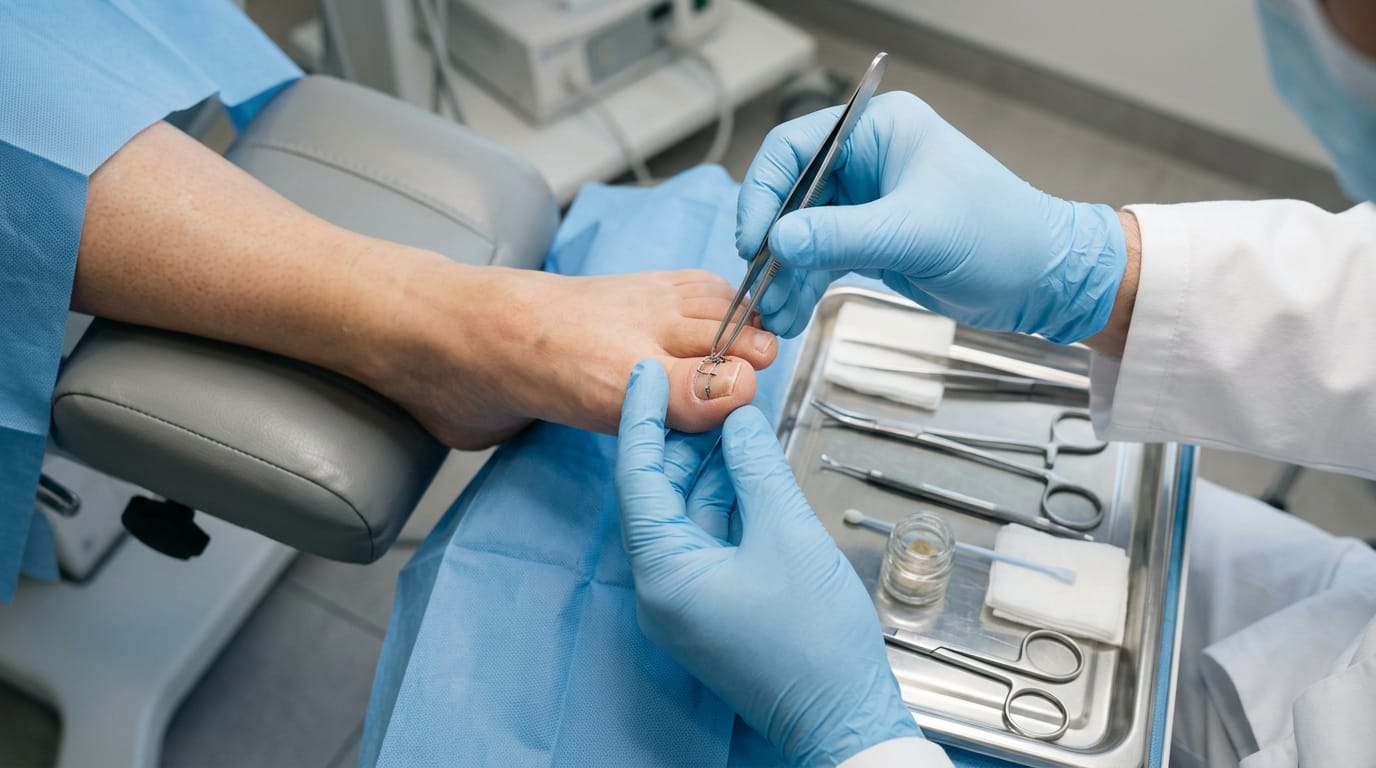
Nail brace placement is an outpatient procedure that requires no surgery. It aims to gradually correct the shape of the nail plate with minimal discomfort. In most cases, anesthesia is not required , as the procedure is gentle.
Before starting, the specialist assesses the condition of the nail, the degree of ingrowth, and selects the appropriate type of brace. Next, the skin and nail plate are treated to ensure secure adhesion and reduce the risk of inflammation.
A detailed description of the service and its stages can be found on the page https://podologiya.clinic/services/ustanovka-skoby-na-nogot , where the features of various techniques and specialist recommendations are presented.
- Examination and diagnosis – assessment of the condition of the nail and surrounding tissues.
- Nail preparation – cleaning, partial treatment of deformed areas if necessary.
- Installing the bracket – fixing the structure and adjusting the tension.
- Result control – comfort check and care recommendations.
According to experts, after the first procedure, most patients report a reduction in blood pressure and a decrease in pain when walking.
The entire procedure usually takes between 20 and 40 minutes, after which the patient can immediately return to daily activities, following the aftercare recommendations .
Nail preparation and treatment before fixation
Proper nail plate preparation is a key step, directly affecting the effectiveness and safety of nail brace placement. Before applying the brace, the specialist assesses the nail shape, the degree of ingrowth, the condition of the nail folds, and the presence of inflammation. This allows the optimal correction strategy to be selected and complications to be avoided.
Next, hygienic and antiseptic treatment is performed. The nail is cleaned of dirt, residual cosmetics, and dead skin. If necessary, hyperkeratosis is carefully removed and ingrown edges are partially treated to reduce pressure on the soft tissue. Professional instruments and solutions are used to eliminate the risk of infection.
Particular attention is paid to preparing the nail surface: it must be dry, degreased, and slightly rough to ensure secure adhesion of the brace. This improves adhesion of the materials and reduces the likelihood of the brace shifting in the first few days after installation.
Podiatrists, including Anastasia Sergeevna Baturina, view the preparatory stage as part of the treatment process, not just a technical procedure. It is at this stage that the foundation for subsequent nail plate smoothing is laid.
According to clinical observations, up to 60–70% of the success rate of ingrown toenail correction depends on proper preliminary treatment and elimination of provoking factors.
Why you shouldn’t skip preparation: Insufficient cleaning or degreasing of the surface can lead to poor brace adhesion, premature detachment, and a reduced therapeutic effect. Furthermore, ignoring inflammation increases the risk of pain and complications after the procedure.
Fixing the bracket and adjusting the tension
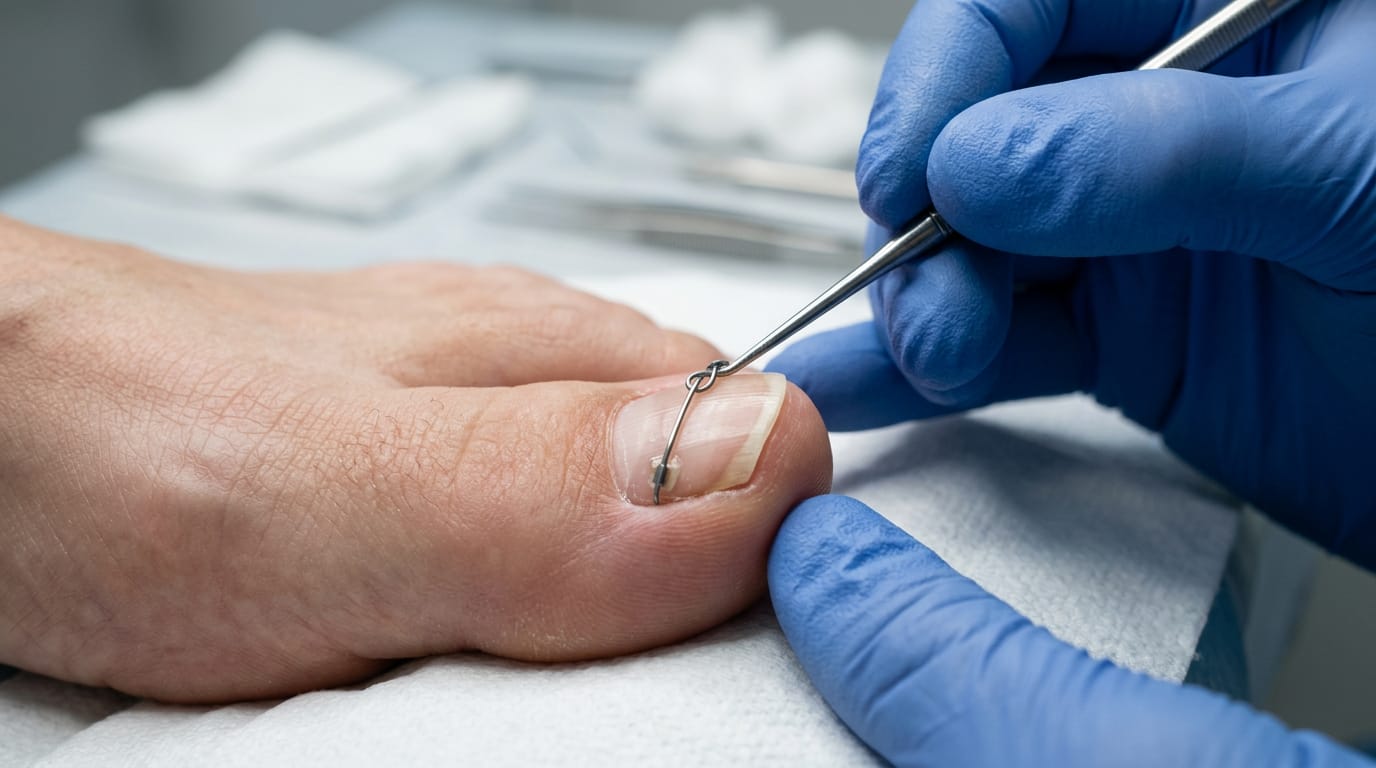
After preparing the nail plate, the specialist moves on to the key stage: fixing the brace . Depending on the chosen technique (wire, plate, or combined system), the brace is secured to the nail surface or attached to its edges. It is important that the installation is precise and symmetrical , otherwise the correction may be ineffective.
Next, the tension is adjusted — this is what ensures gradual straightening of the nail plate. Tension is individually adjusted based on the nail thickness, degree of deformation, and patient sensitivity. Too much pressure can cause discomfort, while too little will not provide a therapeutic effect .
- The bracket is carefully fixed to the prepared surface or edges of the nail.
- The stability of the structure and its position are checked.
- Gradually, tension is created, lifting the ingrown edges.
- The patient is asked to evaluate the sensations in order to adjust the pressure.
Modern correction systems allow for significant results without tissue trauma. When properly applied, patients often experience relief within the first few hours following the procedure due to reduced pressure on inflamed areas.
According to podiatry practice, correctly adjusted tension reduces pain in patients with ingrown toenails after the first procedure in more than 80% of cases.
How to tell if the tension is correct: Optimal tension provides a light sensation of pressure without pain. The patient can walk freely without experiencing any significant discomfort, and the skin around the nail does not become red or swell more.
Sensations during and after the procedure
Brace placement is a minimally invasive correction method, so the procedure typically doesn’t cause significant pain. The patient may feel slight pressure or tension in the nail area, especially during the placement and adjustment of the brace. This sensation is manageable and, in most cases, does not require anesthesia.
Immediately after installation, noticeable relief is often felt, especially in cases of ingrown toenails. This is because the brace lifts the edges of the nail plate, reducing pressure on the inflamed tissue. However, moderate sensitivity is possible in the first few hours, which gradually decreases.
- A slight feeling of tension or pressure.
- Minor pain when pressed during the first 1–2 days.
- Reduced pain when walking on the day of the procedure.
- Adaptation to the brace takes several days.
It’s important to understand that severe pain after implantation is not normal . If discomfort increases, throbbing, swelling, or redness occurs, consult a specialist to have the tension adjusted or the tissue condition assessed.
According to podiatrists, more than 75% of patients report a reduction in pain within the first day after the installation of a corrective brace.
When sensations require medical attention: Increasing pain, the appearance of purulent discharge, significant swelling, or a sensation that the brace is pressing too hard may prompt a doctor’s attention. In such cases, additional adjustments or temporary removal of the brace are performed.

Nail care in the first days after installation
After the corrective system is installed, proper nail care is especially important, as this is the period during which tissue adaptation and the results take hold. Despite the minimally invasive nature of the procedure, the nail plate and surrounding skin remain sensitive and require careful handling.
For the first 2-3 days, it is recommended to limit mechanical stress on the implant site. Avoid tight shoes, prolonged walking, and applying pressure to the toe. Hygiene should be meticulous : washing your feet is permitted, but avoid harsh products and excessive friction.
- Wear loose, comfortable shoes with a wide toe box.
- Avoid visiting swimming pools, saunas and baths in the first days.
- Do not attempt to adjust or remove the brace yourself.
- Follow the treatment specialist’s recommendations (if necessary).
If inflammation or hypersensitivity is present, additional antiseptic treatment or healing agents may be prescribed. It is important to strictly follow individual recommendations , as care strategies may vary depending on the condition of the nail.
According to experts, following care recommendations during the first 3–5 days reduces the risk of complications and staple displacement by more than 50%.
What to do if the brace is bothering you. Mild discomfort is normal during the first few days, but if the brace is rubbing or catching on your shoe, don’t try to adjust it yourself. It’s best to consult a specialist for safe adjustments.
What is important to remember after the procedure
A nail brace is a gentle and effective correction method that eliminates pain and guides nail growth without surgery. A properly selected technique, careful placement, and following recommendations during the first few days ensure stable results and reduce the risk of re-ingrowth. Post-procedure discomfort usually subsides quickly , and returning to normal activities is possible the same day. Meticulous aftercare and regular checkups help maintain the results and keep your nails healthy.
If you notice any discomfort or signs of ingrown hairs, don’t delay consulting a specialist — early treatment simplifies treatment and speeds up recovery.