Ivan Turgenev
 automatic translate
"Asya" by Ivan Turgenev, summary
The story was written in 1857. This book is the source of an archetype in Russian literature: the image of a selfless, sincere, and impetuous young woman. She stands in stark contrast to the doubting, reflective protagonist.
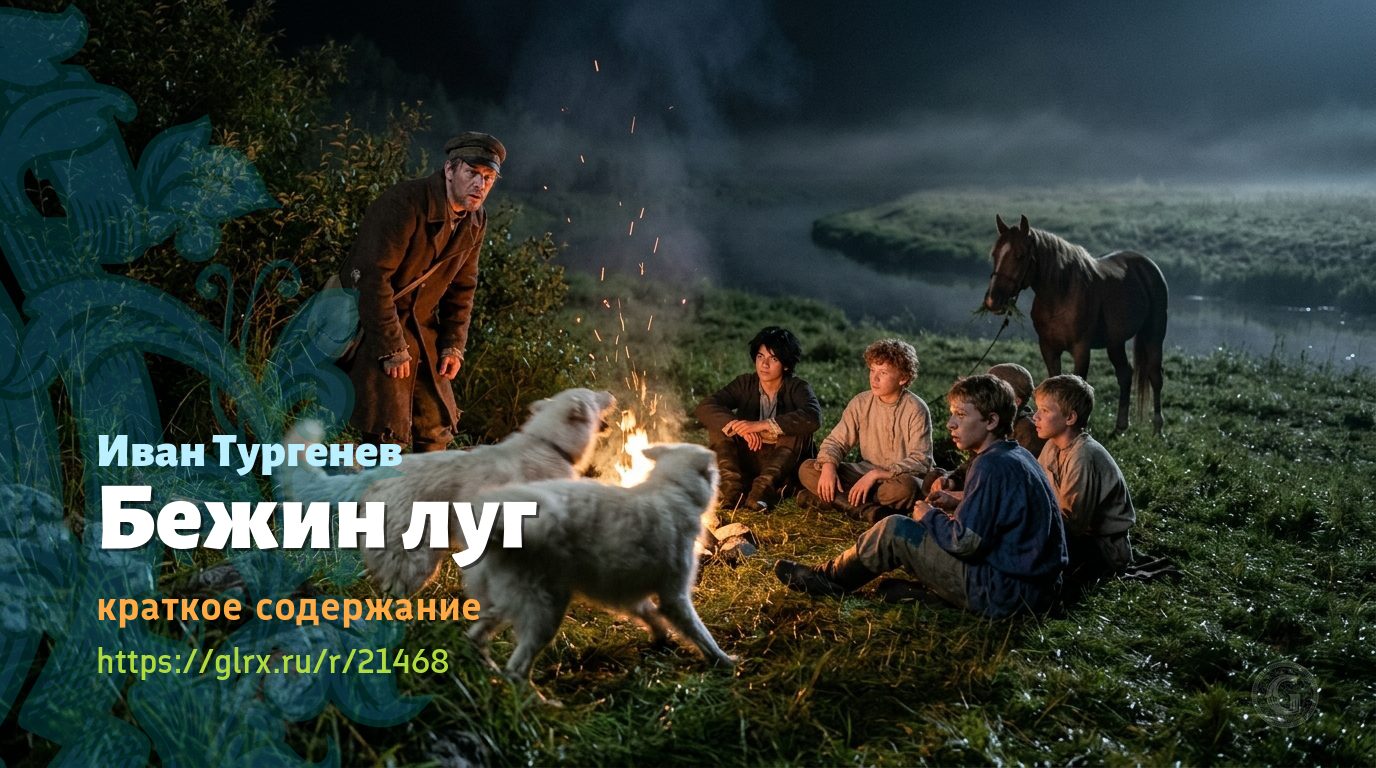
Ivan Turgenev’s "Bezhin Meadow," a summary
Ivan Turgenev’s story, written in 1851, recounts a hunter’s nighttime encounter with peasant children. The author shifts the narrative focus to the inner world of simple village boys, exploring their deepest fears and folk beliefs through mystical tales told around a nighttime campfire.

A summary of Ivan Turgenev’s "Spring Torrents"
This straightforward tale of love, betrayal, and remorse was written in 1871. The work has autobiographical themes: the author himself experienced a similarly destructive infatuation with another man’s wife, which cost him his personal happiness.
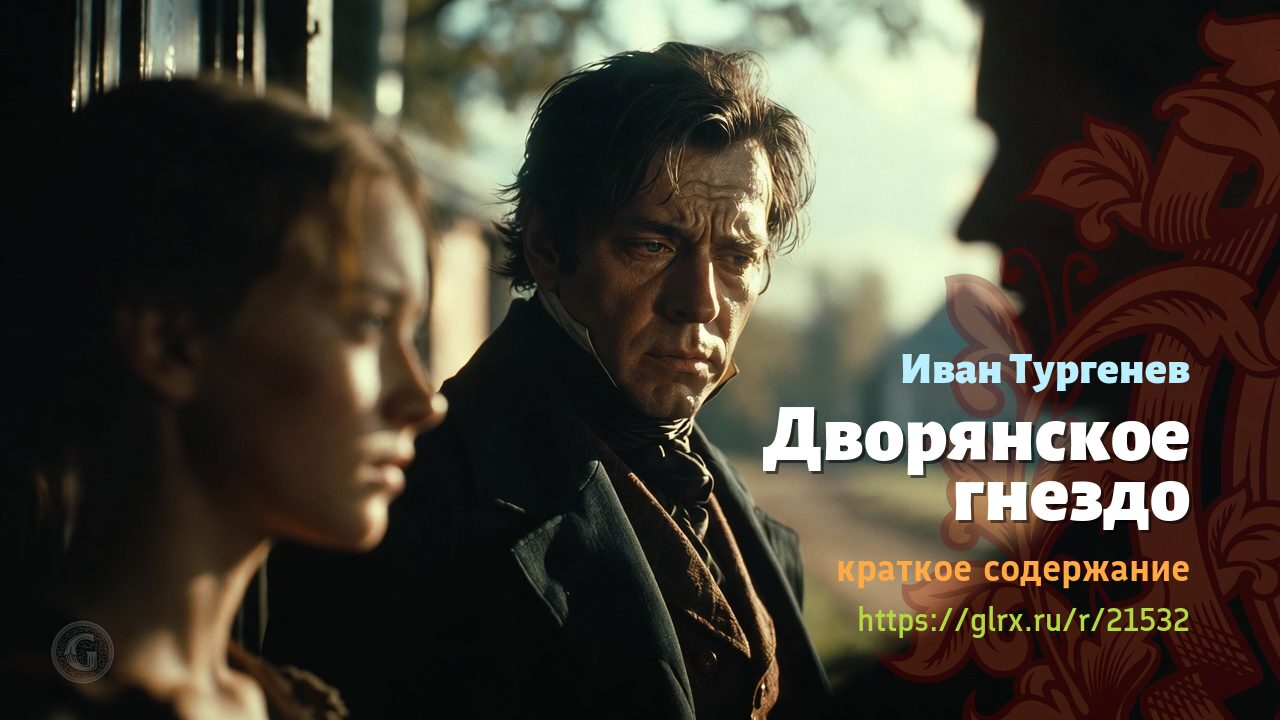
A summary of Ivan Turgenev’s "A Nest of the Gentry"
Written in 1858, the novel is a profound exploration of the crisis of the nobility through the lens of shattered human destinies and the impossibility of personal happiness despite duty. The main plot unfolds in 1842 in the provincial town of O... and its surrounding estates.

"Smoke" by Ivan Turgenev, summary
Published in 1867, Ivan Turgenev’s novel offers a sharply satirical portrayal of the conservative Russian aristocracy and the pseudo-revolutionary intelligentsia. Amid heated ideological debates, the dramatic love story of a young landowner who comes to the spa town of Baden-Baden unfolds.
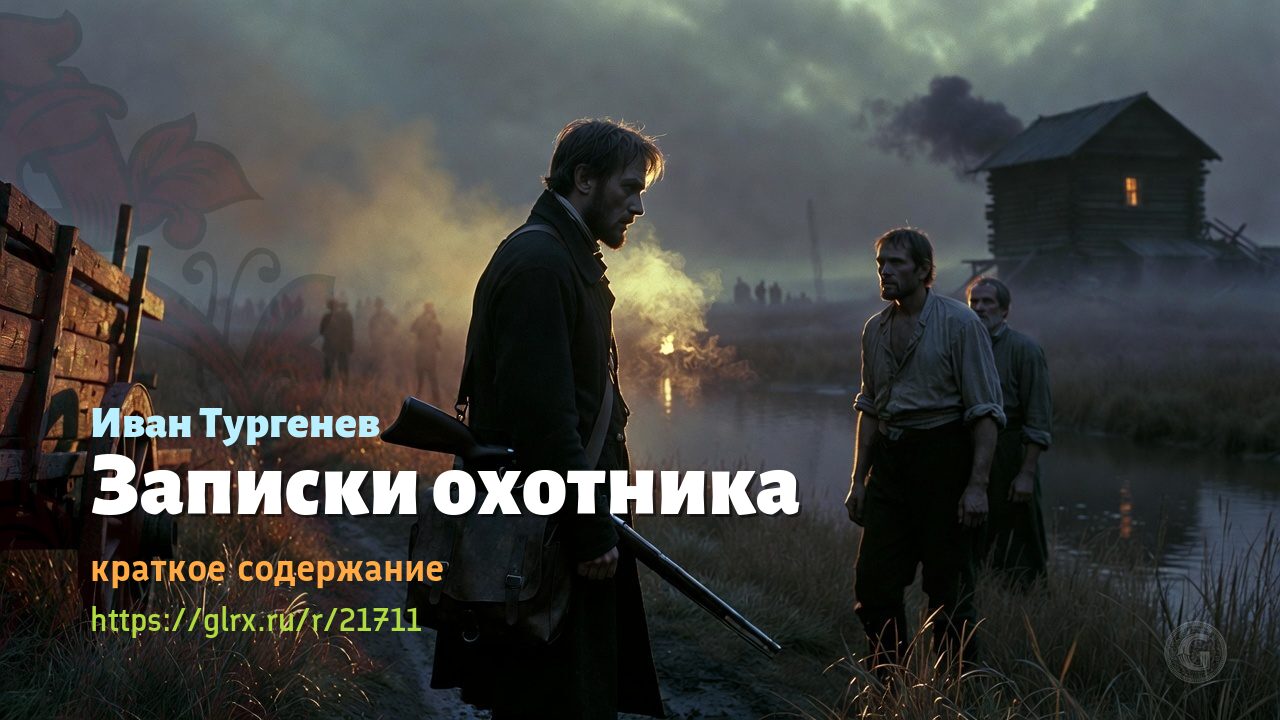
A Hunter’s Sketches by Ivan Turgenev, summary
The work consists of a series of essays, united by the figure of a hunter-narrator. The book was created in 1852. For the first time in Russian literature, peasants are depicted as complex, profound individuals with a rich inner world, which stands in stark contrast to the institutionalized cruelty of serfdom.

A summary of Ivan Turgenev’s "Mumu"
In a Moscow estate, the tragedy unfolds of a mute janitor, forcibly separated from everything he holds dear. This story is a harsh, realistic portrait of serfdom, written in 1852.

"On the Eve" by Ivan Turgenev, summary
This book is one of the most famous classic Russian novels, written in 1859. The plot revolves around a young Russian noblewoman and her love for a Bulgarian patriot against a backdrop of historical upheaval.
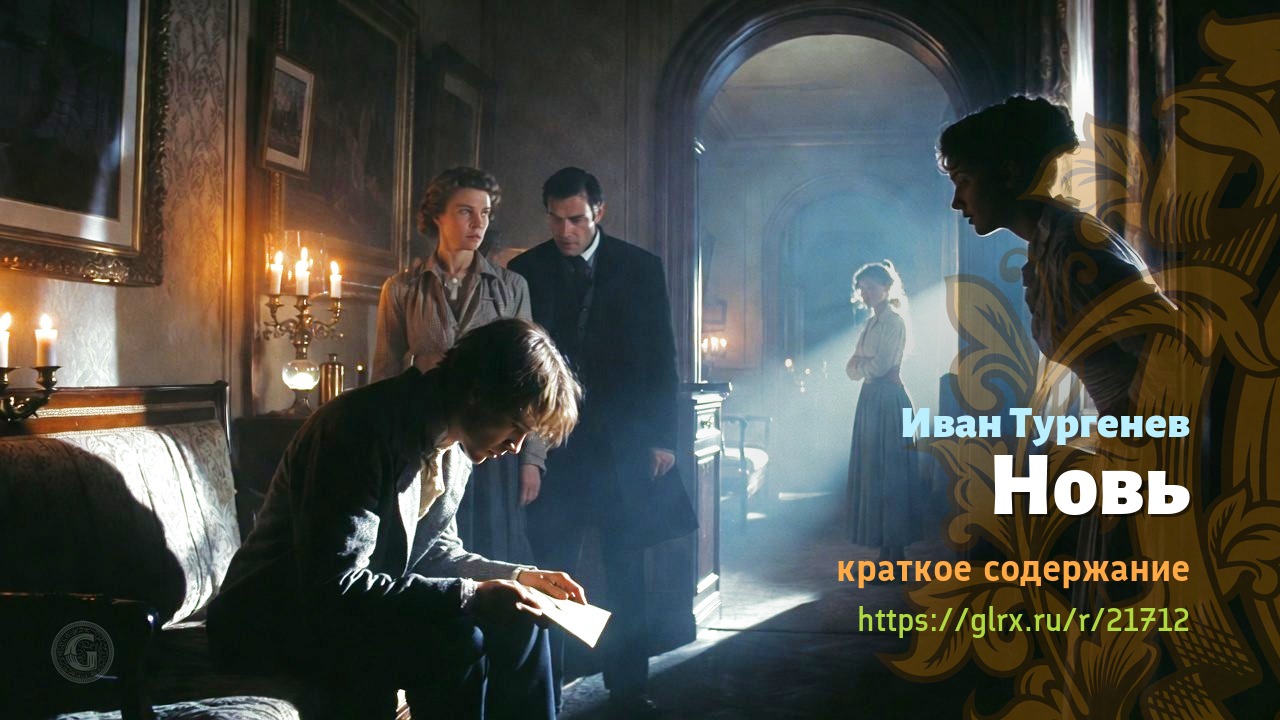
Ivan Turgenev’s "Nov’" (Snowmelt) Summary
Written in 1877, this book is a comprehensive and insightful account of the Narodnik movement in Russia. The novel describes the intelligentsia’s attempts to merge with the peasantry in order to change the social order.

Ivan Turgenev’s "Rudin," a summary
This academic narrative revolves around an educated nobleman who suffers from an inability to translate lofty words into concrete actions. Published in 1856,
Ivan Turgenev’s "Faust," a summary
This book is an epistolary novella written in 1856. The plot of Goethe’s tragedy is intricately intertwined with the daily life of a Russian noble estate, and the reading of a long-forgotten poem suddenly becomes the cause of a fatal spiritual breakdown.

A summary of Ivan Turgenev’s "The Bachelor"
This comedy of manners was written in 1849. The writer reimagines the typical romantic conflict of the era, making the true hero of the love story an aging, comical, and deeply noble official, contrasted with a young, superficial, and easily influenced groom.