Alexander Ostrovsky
 automatic translate
A summary of "The Poor Bride" by Alexander Ostrovsky
This book is an early play by the playwright, created in 1851. The text focuses on the internal tragedy of a dowryless girl who is forced to sacrifice her personal feelings to save her mother from financial ruin.
"Poverty is no vice" by Alexander Ostrovsky, summary
This play is a classic Russian comedy of manners, written in 1853, depicting the triumph of sincere feelings over cold calculation and arroganceThe most intriguing detail of this text is the character of Lyubim Tortsov, a fallen but dignified man who acts as the voice of conscience, boldly exposing the falsehoods of wealthy provincial society.
"Guilty Without Guilt" by Alexander Ostrovsky, summary
This play is a profound drama about loss, betrayal, and maternal love, written in 1883. The work’s power lies in its paradox: the main character bears the cross of guilt for her son’s death for many years, despite being the victim of a cruel deception.
A summary of "Mad Money" by Alexander Ostrovsky
The comedy was written in 1869. The playwright pits a fading, idle noble elite against a class of pragmatic businessmen. The main conflict revolves around the collapse of romantic illusions about endless resources under the pressure of the harsh laws of capitalist calculation.

A summary of "Rich Brides" by Alexander Ostrovsky
This book is a comedy of manners, written in 1875. In it, the author engages in a semantic polemic with his earlier play, "The Poor Bride." The plot unfolds in a dacha village near Moscow, where the characters’ dialogues reveal the fine line between selfish motives and sincere human feelings.
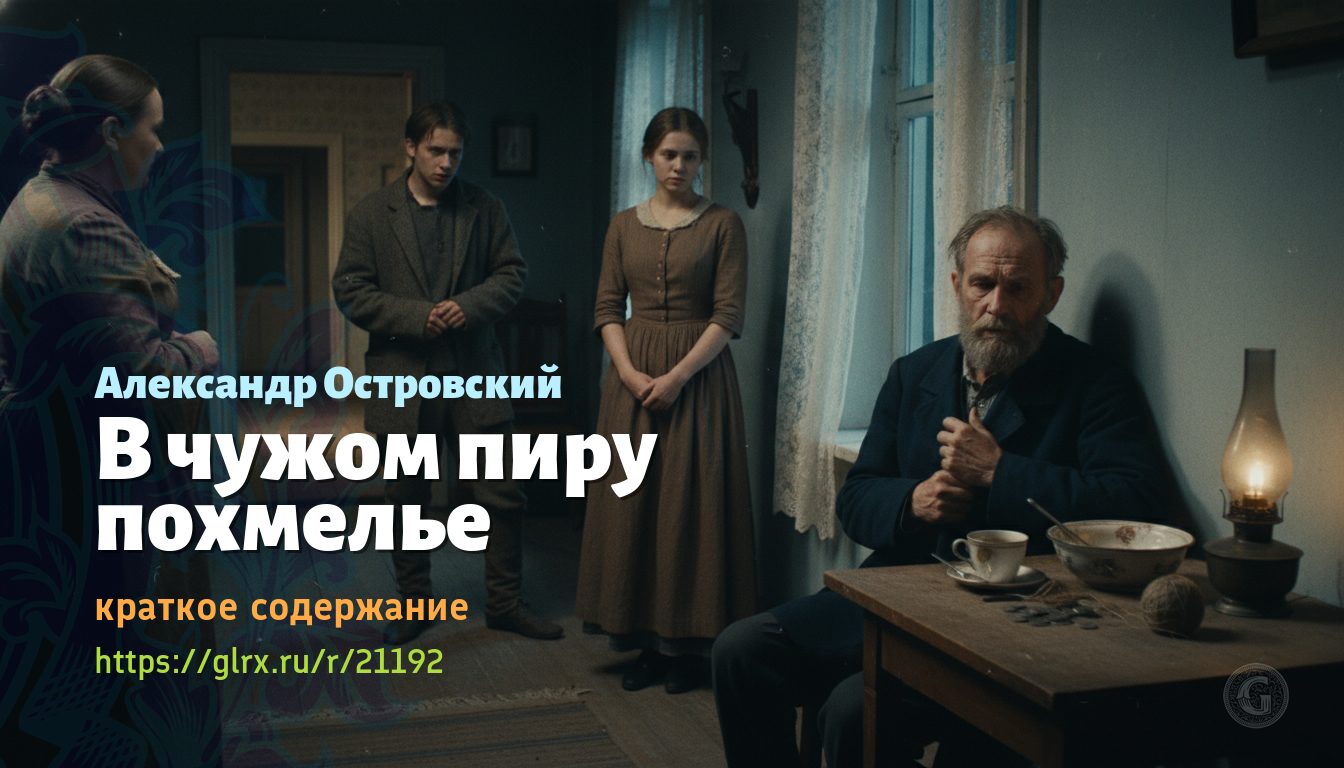
A summary of "A Hangover at Someone Else’s Feast" by Alexander Ostrovsky
"A Hangover at Someone Else’s Feast" is a comedy by Alexander Ostrovsky, written in 1856 and first performed that same year at the Maly Theater. The play’s action is set in Moscow, where the impoverished home of a retired teacher and the wealthy merchant class, with their brutal power of money, are juxtaposed.
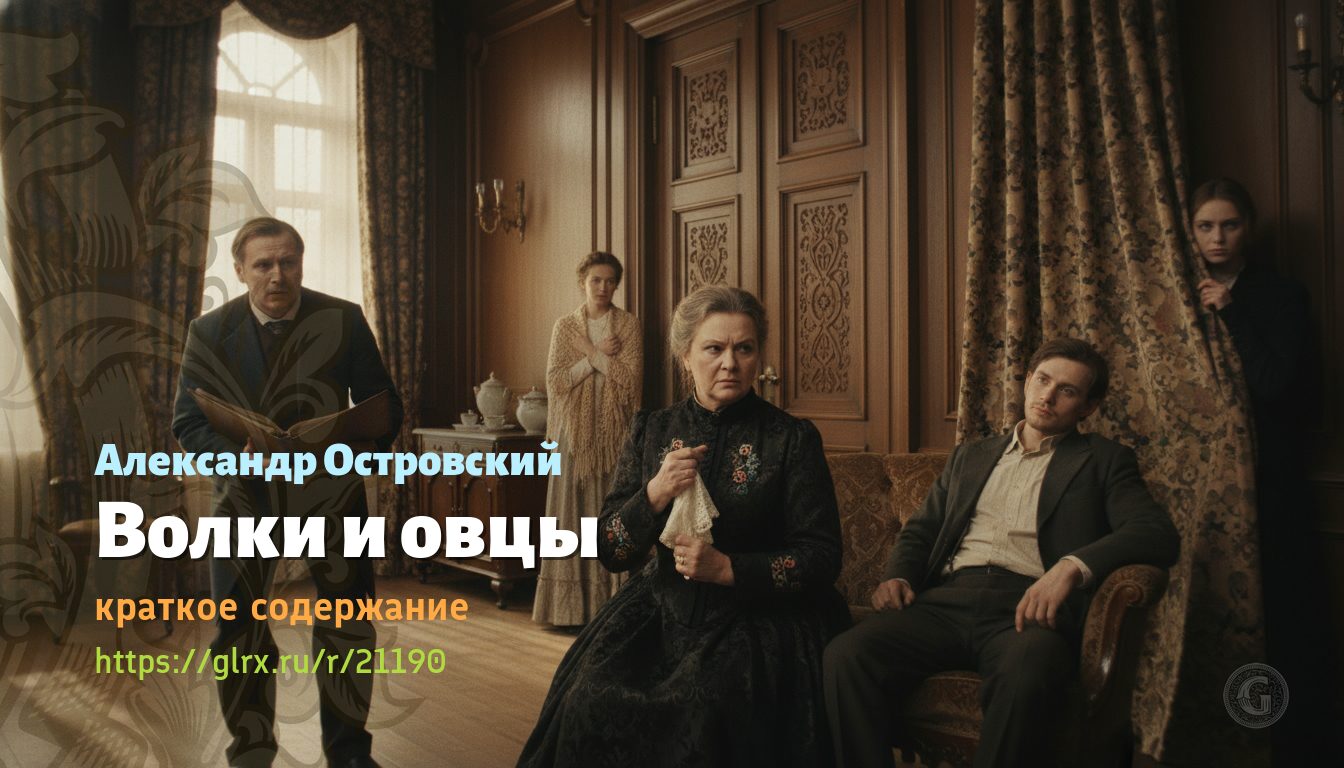
A summary of "Wolves and Sheep" by Alexander Ostrovsky
This comedy, created in 1875, depicts the mores of provincial society, where greed and hypocrisy disguise themselves as virtue and piety. The plot was inspired by the real-life trial of Abbess Mitrofania, accused of forgery and fraud, who was called a wolf in sheep’s clothing in court.
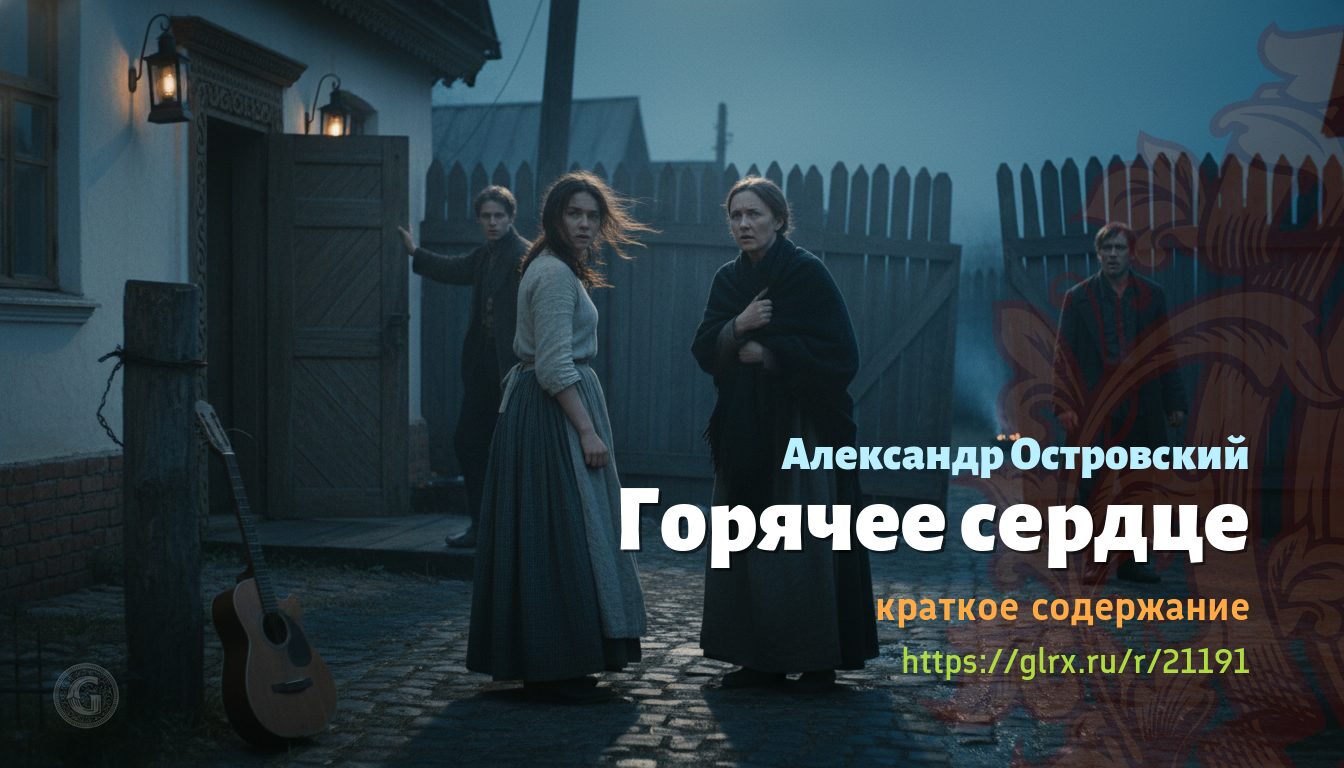
A summary of Alexander Ostrovsky’s "Ardent Heart"
"Ardent Heart" is a comedy by Alexander Ostrovsky, written in 1868, published in 1869, and placed in the past because the note that the play took place "some 30 years ago" helped it pass censorship.

Alexander Ostrovsky’s "The Storm," a summary
This play is a five-act drama written in 1859. It meticulously depicts the stifling atmosphere of the merchant class in the fictional Volga town of Kalinov, where fear, hypocrisy, and blind obedience to one’s elders reign supreme.
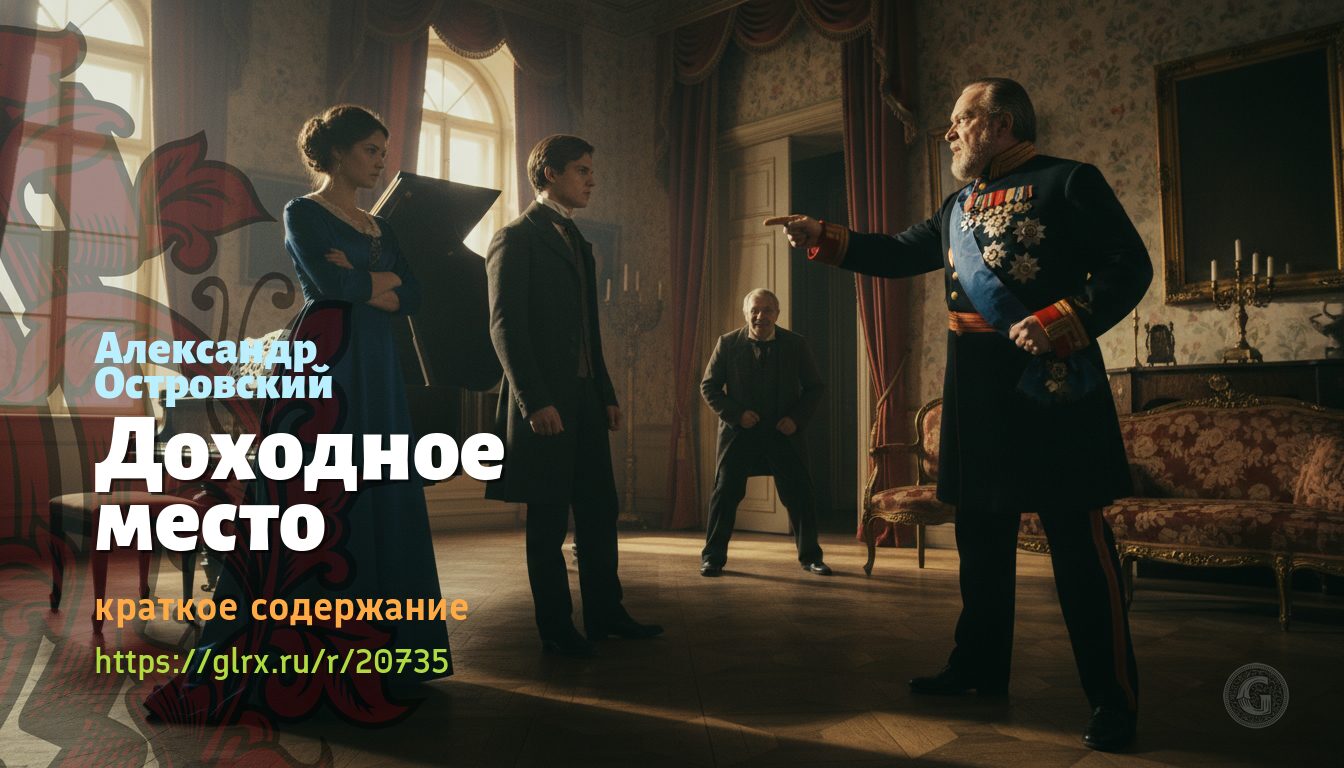
A summary of Alexander Ostrovsky’s "A Profitable Post"
This play is a caustic social comedy, written in 1856. Immediately after its publication, the work faced fierce censorship and was banned for six long years.

"What you seek is what you find" by Alexander Ostrovsky, summary
This comedy is the third part of the original story about the minor official Mikhail Dmitrievich Balzaminov, created in 1861. The work vividly depicts the life of Moscow merchants in the mid-nineteenth century.
A summary of "A Handsome Man" by Alexander Ostrovsky
This book is a classic comedy of manners, written in 1882. The work reveals the conflict between sincere feelings and cynical calculation, where human destinies become bargaining chips in the pursuit of money and a life of idleness.
A summary of Alexander Ostrovsky’s "The Forest"
The play "The Forest," written in 1870, depicts the provincial mores of post-reform Russia, where two worlds collide: the hypocritical environment of a noble estate and the free life of poor but honest itinerant actors.
"In a Busy Place" by Alexander Ostrovsky, summary
This book is a classic Russian drama with elements of comedy, written in 1865 after the author’s long journey along the Volga. The playwright personally observed the harsh customs of innkeepers and faithfully captured this unique reality in his work.
"Enough Stupidity in Every Wise Man" by Alexander Ostrovsky, summary
Alexander Ostrovsky’s play, written in 1868, vividly captures the mores of post-reform Moscow, dominated by the nobility and bureaucracy. For the first time, the author portrays a cynical careerist, willing to do anything to achieve high status, as the protagonist.
"There Was Not a Penny, But Suddenly a Coin" by Alexander Ostrovsky, summary
Alexander Ostrovsky’s comedy was written in 1871 and published in 1872 in Otechestvennye Zapiski (Notes of the Fatherland). It was initially titled "The Morning Is Wiser Than the Evening"; this early title would later be echoed in the play’s final line, lending its ending a special precision.

"Don’t Get into Someone Else’s Sleigh" by Alexander Ostrovsky, summary
The comedy "Don’t Get into Someone Else’s Sleigh" was written in 1852 and became the author’s first work to be staged. This book is a classic comedy of manners, where the conflict builds on the clash between merchant life and noble calculation.
"Not All Is Shrovetide for the Cat" by Alexander Ostrovsky, summary
Alexander Ostrovsky’s play "Not All Is Shrovetide for the Cat," written in 1871 and titled "Scenes from Moscow Life," depicts an everyday conflict in which the old merchant autocracy clashes with the personal choices and dignity of the poor.
"Don’t Live the Way You Want" by Alexander Ostrovsky, summary
This book is a folk drama in three acts, written in 1854. Based on popular oral traditions, it revolves around passion, jealousy, and family conflict in Moscow during Maslenitsa in the late eighteenth century.
A summary of Alexander Ostrovsky’s "An Unexpected Case"
This dramatic study was created in 1850. This play is a subtle examination of human weaknesses, completely devoid of the usual comedic intrigue. The author methodically exposes the inconsistency of actions through the prism of everyday interaction.
"Late Love" by Alexander Ostrovsky, summary
This book is a poignant drama about the self-sacrifice of an elderly woman, willing to commit official malfeasance to save her lover from disgrace and debtor’s prison. Written in 1873,
A summary of "The Last Victim" by Alexander Ostrovsky
This book is a profound social comedy, written in 1877. The plot revolves around a young and wealthy widow, Yulia Tugina. Her blind love for a frivolous rake threatens her with ruin and shatters her illusions.
"Truth is good, but happiness is better" by Alexander Ostrovsky, summary
"Truth Is Good, But Happiness Is Better" is a comedy play by Alexander Nikolaevich Ostrovsky, written in 1876The work vividly depicts the clash between the rigid patriarchal foundations of wealthy Moscow merchants and the sincere feelings of young people, where fate is decided not by fair calculation or honesty, but by a simple coincidence and the timely appearance of an old acquaintance.

A summary of "A Holiday Dream - Before Lunch" by Alexander Ostrovsky
The comedy "A Holiday Dream—Before Dinner," written in 1857, is the first part of a trilogy about the adventures of the minor official BalzaminovThis book is a vivid satire illustrating the clash of two worlds: the pragmatic patriarchal merchant class and the bourgeoisie, whose representatives dream of easy enrichment through a profitable marriage, while being unwilling to put in any effort into honest work.
A summary of Alexander Ostrovsky’s "The Abyss"
"The Abyss" is a play by Alexander Ostrovsky, written in 1865. Its action spans nearly 17 years, and this vast timeframe allows us to see not just one domestic dispute but the entire story of Kirill Kiselnikov’s slow decline.
"Our People - Let’s Settle Accounts" by Alexander Ostrovsky, summary
The comedy was created in 1849. This book is a daring expose of the mores of the merchant class, the realism of which led to censorship banning the play for many years. The plot revolves around a merchant’s attempt to defraud his creditors, which ends in disaster for him.

A summary of Alexander Ostrovsky’s "Family Picture"
This book is the author’s very first completed dramatic work, written in 1846. Initially, the young writer conceived a long comedy, "The Petition." Later, he reworked the completed work into a one-act scene depicting the everyday life of Moscow merchants.
A summary of "The Heart is Not Stone" by Alexander Ostrovsky
Alexander Ostrovsky’s play, written in 1879, is set in merchant Moscow and hinges on the clash of money, the fear of death, domestic despotism, and quiet moral strength.

Alexander Ostrovsky’s "The Snow Maiden," a summary
Alexander Ostrovsky’s play "The Snow Maiden" is a fairy tale in four acts with a prologue, written in 1873The work draws on Slavic mythology and folklore. The plot centers on the daughter of Frost and Spring, who strives to understand human life and love, despite her parents’ warnings about the mortal danger of the feelings awakened by the sun’s warmth.
"An Old Friend is Better Than Two New Ones" by Alexander Ostrovsky, summary
This book is a comedy play by Alexander Nikolaevich Ostrovsky. It was written in 1860. The text vividly depicts the everyday life of the bourgeoisie and petty officials of Moscow in the mid-nineteenth century.

"Talents and Admirers" by Alexander Ostrovsky, summary
Written in 1881, this comedy depicts the harsh underbelly of provincial theater, where grinding poverty forces actors to compromise their consciences for the sake of mere survival.

Alexander Ostrovsky’s "Hard-earned Bread," a summary
This book is a classic play of Russian realism, written in 1874. The playwright juxtaposes two opposing worlds against the backdrop of Moscow’s bourgeois world. Honest poverty clashes harshly with the thirst for easy money.
A summary of Alexander Ostrovsky’s "Hard Days"
This comedy is a logical continuation of the famous play "A Hangover at Someone Else’s Feast," written in 1863. The plot once again revolves around the family of the despotic merchant Tit Titych Bruskov.

A summary of "The Morning of a Young Man" by Alexander Ostrovsky
This dramatic sketch was created in 1850. This book is a satirical reflection of Moscow life in the mid-nineteenth century. The merchant class clumsily adopts social manners.
A summary of "The Jokers" by Alexander Ostrovsky
This book is a classic comedy with strong elements of social drama, written in 1864. The narrative centers on the conflict between poor commoners and wealthy merchants.
Summary of the play by A.N. Ostrovsky "Dowry"
The work "Bride" was written in 1878. The events of the dramatic play unfold in a city on the Volga, the name of which was invented by the author.